Estados Unidos está reescribiendo las reglas sobre los ingredientes de los alimentos: por qué los restaurantes deberían prestar atención
Cada día, miles de restaurantes en todo el país sazonan sus alimentos con glutamato monosódico (GMS) y preparan salsas y aderezos desde cero utilizando aditivos como ácido cítrico y goma xantana.
Every single day, thousands of restaurants around the country season their food with MSG and make sauces and dressings from scratch using additives like citric acid and xantham gum.
What business owners might not realize is that many of the basic building block ingredients of restaurant meals don't go through the FDA's formal approval process. Instead, they can qualify for an exemption if their intended use is “Generally Recognized as Safe” (GRAS). Companies can make that determination themselves, or they can voluntarily notify the FDA and ask for a review.
While the GRAS exemption has been in place since 1958, the number of substances used in food has grown substantially over the decades, and critics argue that the system has evolved far beyond the narrow exemption originally envisioned. On Aug. 10, the FDA proposed a rule that would make GRAS notifications mandatory for certain uses of substances, replacing the current voluntary notification system. The stated goal is more visibility, not more regulation.
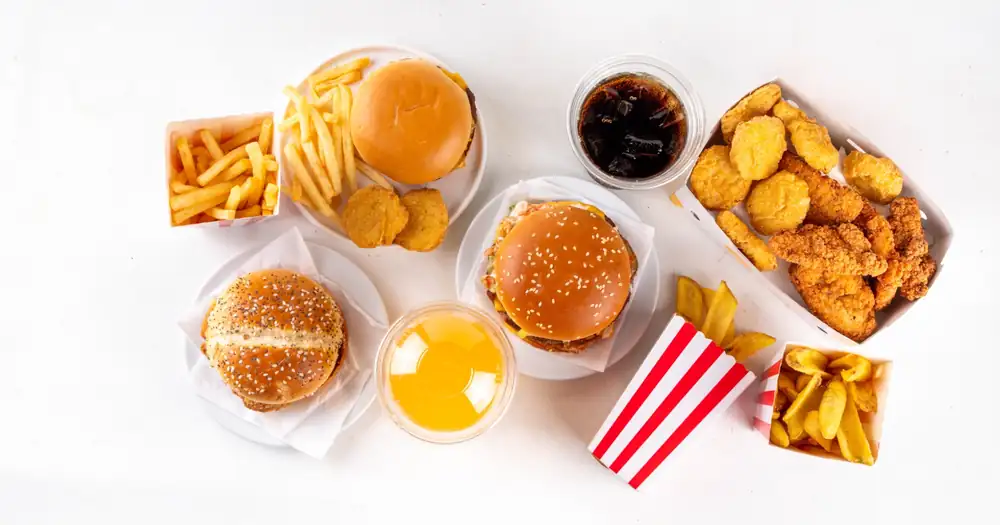
The same day, the USDA tackled another frequently debated food regulation topic: processed foods. The Department of Health and Human Services and the USDA together submitted what would be the federal government’s first definition of ultra-processed foods (UPFs). While UPFs are generally associated with prepackaged foods and drinks like candy, soda, potato chips, and white bread, restaurants make and serve processed foods every day too, from burger buns and soft drinks to sausages and chicken nuggets.
Although the full proposed definition has not been made public yet, many experts believe that HHS Secretary Kennedy Jr. and his team are largely drawing from the Nova system, which was first implemented in Brazil and is recognized by other countries and international groups like the World Health Organization. Under this definition, foodstuffs would be divided into one of four categories:
- Unprocessed: Raw or natural ingredients like eggs, milk, fruit, and vegetables.
- Processed culinary ingredients like oils, honey, and salt.
- Processed foods: Combinations of the first two groups like canned tuna fish, salted nuts, and freshly baked bread.
- Ulta-processed foods: Food formulations made substantially with chemical additives and re-engineered ingredients, including prepackaged snacks, soda, hot dogs, and frozen ready-made meals.
Before you hit the panic button, the federal government is not trying to pull potato chips off shelves or force restaurants to label chicken nuggets as ultra-processed. Unlike the administration's separate efforts involving artificial food dyes, the current USDA and HHS effort is focused on establishing a common definition for UPFs. Likewise, the GRAS proposal does not ban GRAS ingredients. Instead, it would require additional notification to the FDA for certain GRAS uses and give the agency and the public more information about substances entering the food supply.
When it comes to GRAS ingredients, restaurants are downstream customers. It's the suppliers higher up in the food chain that would have to worry about filing extra paperwork with the FDA.
“The time for the generally recognized as safe provision was at least 50 years ago when food regulation was new,” Andre Delattre, senior vice president at the U.S. PIRG (Public Interest Research Groups) Fund said. "We've already allowed everything that should genuinely fit under that, and truly new and novel substances deserve careful evaluation. Historically, we’ve done the opposite. We’ve let foods into our supply chain and then dealt with the consequences later.”
Could switching from voluntary to mandatory FDA notification eventually lead to stricter scrutiny of some GRAS ingredients? It's possible, but that would likely happen much further down the line. The proposed rule itself is primarily about notification and transparency.
The separate issue of defining ultra-processed foods is much more complex, and the FDA has admitted it is a “tough challenge” because there is no universally accepted definition. The restaurant industry, for its part, has argued that a sweeping generalization of “ultra-processed” could be detrimental to the food industry.
“UPFs are not a uniform category; they vary significantly in composition, nutritional profile, and health impact,” the National Restaurant Association wrote in an October 2025 letter to the FDA. “Blanket categorizations, such as those used in the NOVA system, fail to account for these nuances, especially in restaurant settings where vendor-supplied ingredients may lack full transparency.”
The Association specifically pointed to restaurant foods that could be classified as UPF under the Nova system, including a veggie omelet made with pasteurized eggs or a yogurt parfait. It argues that processing often serves important purposes such as improving food safety, extending shelf life, reducing sodium, or adding nutrients.
As Washington begins what could be a long process of changing the rules and definitions around food ingredients, the restaurant industry should sit up and pay attention, even as foodservice sits toward the bottom of the food supply chain. After all, the biggest risk may not be the regulation itself. It may be the impact on public opinion.
“I would be concerned about what happens when the consumer rejects products that are either defined as UPF or reject the GRAS status,” Rob Dongoski, global lead for food and agribusiness at Kearney consulting firm, said.
He suggested that certain ingredients could be reformulated or even discontinued if regulatory standards change, though substitutes would eventually emerge.
“Candidly, if some of these common processed ingredients aren’t forced to reformulate, then consumers are likely to reject them longer term and they will go away,” Dongoski said. “Many people claim that MAHA is making a huge impact, but the real driver is consumer preferences.”