Ebisu by Kobos, a new passport to Japan in Madrid
José Kobos Cortés, who first captivated in the basement of Matritum and in his clandestine attic, opens Ebisu by Kobos, an omakase bar with nigiri in La Latina.
Recognized as one of Madrid's finest itamae, Kobos serves nine diners at a counter where only an omakase menu is offered, based on the trust the customer places in the chef. He uses the best ingredients he finds daily, aiming to provide diners with the ultimate Japanese experience.
This 33-year-old from Madrid is self-taught: his vocation was fine arts, and now he boasts of making "small edible drawings." He worked at La Gastroteca de Santiago (Madrid) and BonAmb (Alicante) before an unexpected change in his vacation plans led him to work in Japan.
She recalls with horror a "horrible Spanish restaurant" run by Japanese people, where they served "paella with fried squid on top," but it was there that she fell in love with the country's cuisine. "I was blown away," she says. So much so that, upon her return to Spain, she worked and sold her car just to earn enough to go back to Japan.
Once there, everything changed: "I ate the best sushi of my life for 350 euros without drinks, and I offered to work for free at the restaurant." It was at Ebisu Endo, in Shibuya (Tokyo), where his sensei (teacher), Norihito Endo, worked, and who hired him a month later. There he learned what he now distills into Ebisu by Kobos, accompanied by the music of his uncle, the guitarist Gerardo Núñez.
The restaurant offers two seatings, at 2:30 pm and 8:30 pm, and Kobos is behind the bar for both. The menu begins with dishes like karasumi soba (buckwheat noodles with mullet roe), dashi with daikon radish and edamame, or snake cucumber with toasted sesame sauce. Next comes Roset eel from the Ebro Delta, prepared shirayaki (steamed and grilled), with a crispy and silky texture, which reappears at the end in an exceptional nigiri. Some of the knives were gifts from his sensei and need to be sharpened daily. "Sushi wouldn't exist without these knives; they are the last bastion of the katana, which is why they are treated with such respect," he explains.
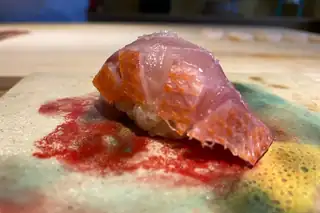
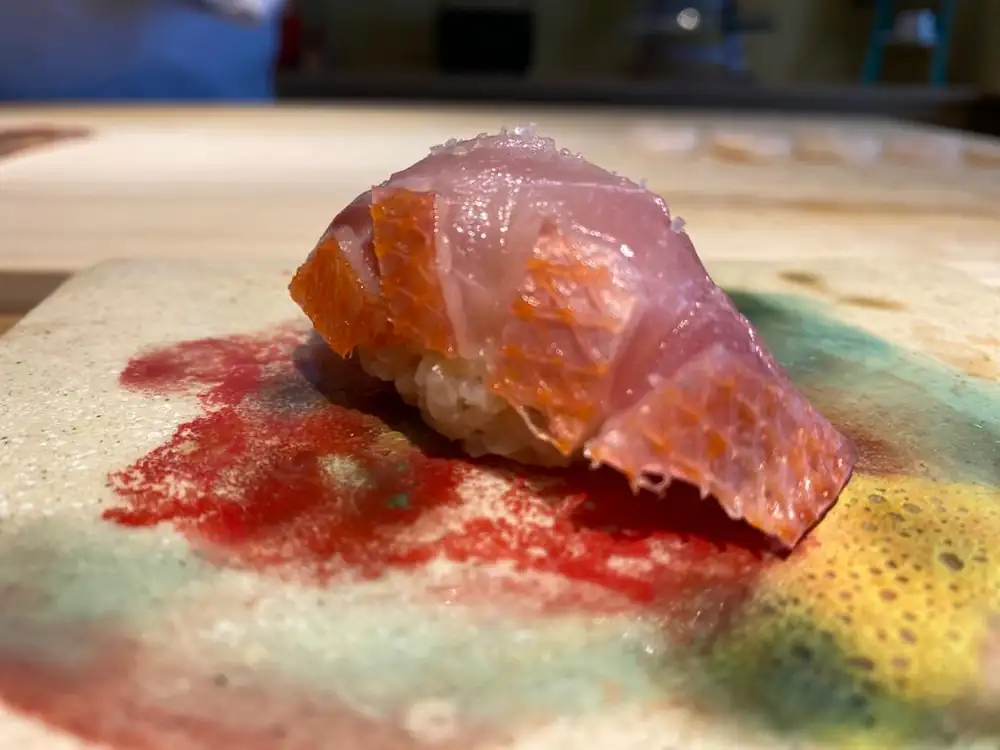
For the nigiri, Kobos uses koshihikari rice from northwest Japan, cooked in an induction rice cooker, without sugar, and seasoned with a Japanese vinegar that, he claims, "can't be found in any other restaurant in Spain." For the grilled dishes, he uses Cuban marabou charcoal, as in the bonito tataki. The nigiri parade includes seared kingfish, scallop with lime zest, cured red mullet, and slices of Tokyo-style cured tuna. Near the end comes the Mama 2.0 sandwich, a crispy combination of cheese and tuna, garnished with osetra caviar.
The soup of cockles, clams, red miso, ginger, and chives concludes the savory portion of the meal, and a shaved ice of fig, peach, and condensed milk brings the menu to a close. The drinks selection, curated by Bulgarian-born sommelier Metodiyka Popova, includes champagnes, sakes, sherries, and both domestic and international white wines. The omakase menu costs 120 euros, and an à la carte menu is also available.
A word of caution: wearing perfume is not allowed in the restaurant, as it interferes with the experience. According to Kobos, in Japan it's considered disrespectful.