Linfa, Milan's vegetable cuisine between imagination and artifice
The anticipation surrounding the opening of Linfa, on Via Savona in Milan, compels us to judge more than just the food.
Linfa, on Milan's Via Savona, has generated a lot of buzz even before opening. Whether the food is good or not is, in any case, an objective question, but the restaurant prompts reflection on the rise of veganism in the West and on the chefs, activists, thinkers, and artisans who are trying to define a new dietary standard.
Within this culinary canon, several trends emerge. Some seek animal-free substitutes for animal products, such as chicken or burgers made without chicken or meat, thanks to technology. Others work with vegetables and sophisticated techniques to recreate the flavors of animal products. And then there are those, like Noma and the New Nordic cuisine, who enhance the pure essence of vegetables with such complex techniques that they appear natural. Linfa occupies a middle ground, avoiding both extremes: roots, fruits, and other seasonal vegetables find their proper elevation, without dismissing plant-based substitutes or certain trompe-l'œil effects based on technology.
The gnocchi are a proudly plant-based dish. The predictability of the pumpkin dough is completely subverted by the truffle cream filling, dried cranberries, and slices of raw romanesco cauliflower. In contrast, the "kebab" and "chicken" curry, both from an industrial producer, display intense and indistinguishable flavors; the curry deserves praise, though it's missing a small bowl of plain white rice on the side.
It seems that even tempeh, a relative of tofu with a more granular texture, is sourced from abroad, which simplifies things in the kitchen. This is a minor drawback, because the dish featuring it, marinated in citrus and with seasonal vegetables and roots, is rustic, vibrant, and very substantial. In the pasta, the mezze maniche with turnip leaf pesto provides a herbaceous and slightly bitter base, upon which the sweetness of almond ricotta and the citrusy strands of candied lemon peel emerge.
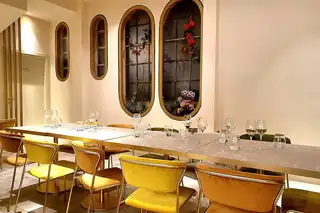
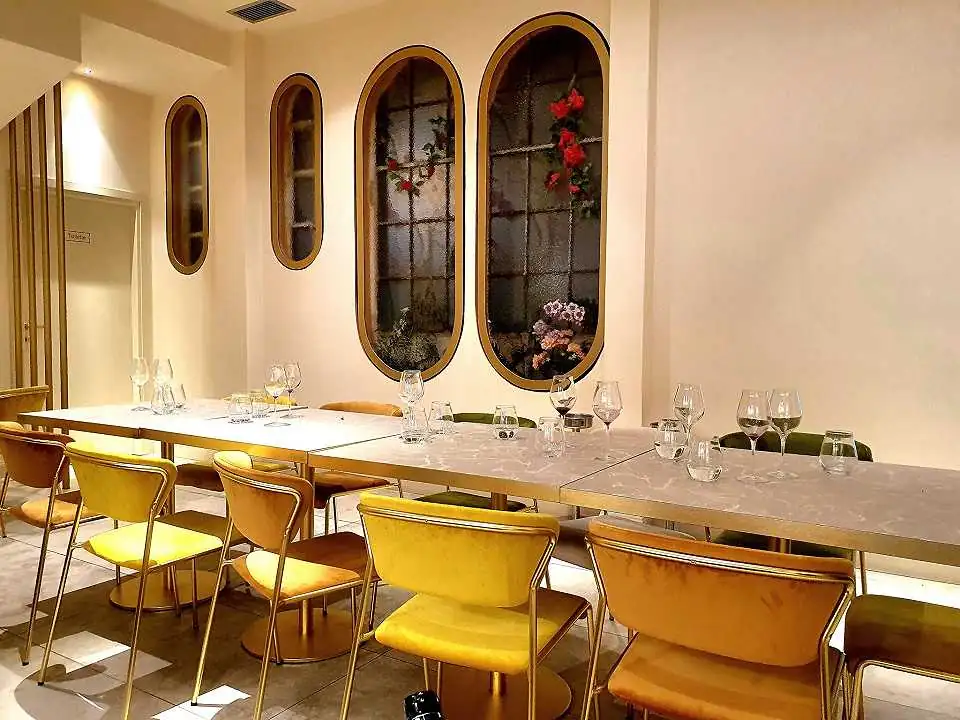
Beyond its noble vegan intentions, the space is carefully designed with a nod to Milan's avant-garde, novelty-hungry scene. The usual aesthetic of peeling paint, exposed brick, and vintage style gives way here to something different but equally conventional: velvet armchairs in gold, pastel, or bright yellow, mirrors, and a dusty rose ambiance reminiscent of a West Wing showroom in the White House.
Linfa was overwhelmed in its first few months, which explains some inconsistencies in service, quickly resolved with a complimentary drink at the bar before the table was ready. The tasting menu, featuring potato cake and leek cream, is less original than the à la carte menu, which includes jackfruit sushi, made with a rare tropical fruit whose pulp has the consistency of shredded meat or fish. That dish is somewhat disappointing, despite garnishes like ginger mayonnaise and caper powder: when sushi lacks properly cooked rice, everything else falls apart.
The wine list is conventional and pricey, although the house filtered water, at one euro, is a welcome touch of honesty. Linfa cleverly avoids unpredictable and risky virtuosity, like the eggplant canoe at Eleven Madison, a delicate subject for Pete Wells, critic for the New York Times. One misses having fewer packaged products and a focus exclusively on homemade preparations, as is the case at Altatto, another benchmark of the Milanese vegan scene.
Linfa fulfills its mission of promoting and enriching high-quality plant-based cuisine, albeit with some limitations. The food is imaginative and balanced, without excessive virtuosity, but not all dishes achieve the same success, and the frequent use of industrially processed vegetables is noticeable. The design and ambiance are sophisticated, though they reflect a certain trendy conformity. Even so, it remains a valuable addition to the city's culinary scene.