Oyster guide: how the species and the place of cultivation change the flavor
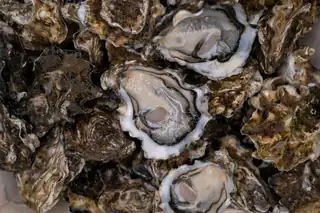
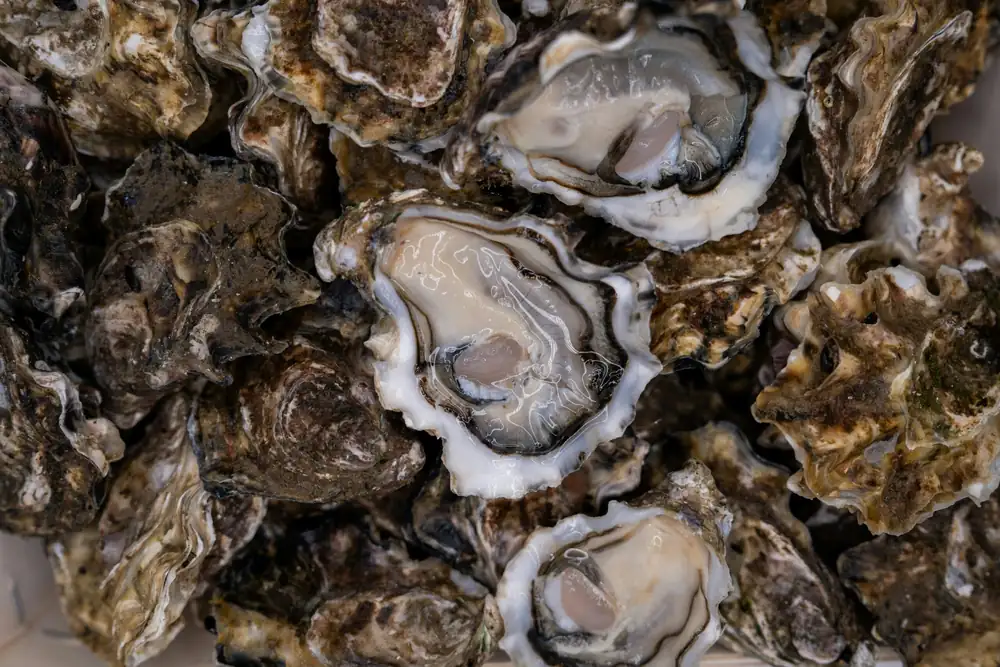
Oysters are distinguished by a few dominant species, whose shapes and flavors are nuanced according to the cultivation area.
Each species has its own unique shape, texture, and flavor. Some have deeper shells and are meatier, while others are flatter, have a finer texture, and a milder taste. Water salinity, temperature, and nutrients all influence the final flavor, so specimens of the same species from different areas can vary.
Pacific oyster (Crassostrea gigas): firm texture, salty or slightly sweet flavor. It is the most widely cultivated oyster in the world, ranging from Europe to North America. It has a deeper, more irregular shell and mostly firm flesh. Some varieties are decidedly salty, while others are sweeter and rounder. Its rapid growth makes it easy to find, although specimens from selected cultivation areas can reach a higher level of quality.
Atlantic oyster (Crassostrea virginica): softer texture, clean salinity, and subtle mineral notes. It predominates on the east coast of North America and in the Gulf of Mexico, with a smoother, more elongated shell. Its character depends on the location: those from cold northern waters are firmer and more intense, while those from warm estuaries are softer and more rounded.
European flat oyster (Ostrea edulis): mineral-rich, firm, and distinctly salty. Its shell is flatter and more rounded, and its meat has a softer, less creamy texture than most Pacific or Atlantic oysters. Because it grows more slowly and yields less, it is considered premium quality and often appears as a specialty on menus.
Olympia oyster (Ostrea lurida): small in size, with concentrated minerality and a subtle sweetness. It is the smallest of the commercially available oysters and is found in certain regions of the North American Pacific coast. It has been overfished and remains scarce, so it is usually a luxury delicacy.
Kumamoto oyster (Crassostrea sikamea): silky texture, light saltiness, and subtle sweetness. Originally from Japan, it is primarily cultivated on the Pacific coast of the United States. Its small, deeply indented shell produces a very distinctive meat and a more consistent and predictable flavor profile. Its higher price is due to its smaller-scale farming and more controlled conditions.
The species determines the oyster's basic characteristics, but the environment defines its flavor. The ratio of seawater to freshwater determines the salinity, the water temperature affects the texture, and plankton influences the sweetness. The cultivation method also matters: oysters cultivated in suspension can differ from those cultivated on the seabed.