Nolla: la utopía verde finlandesa
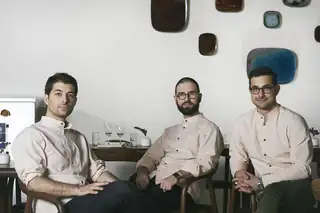
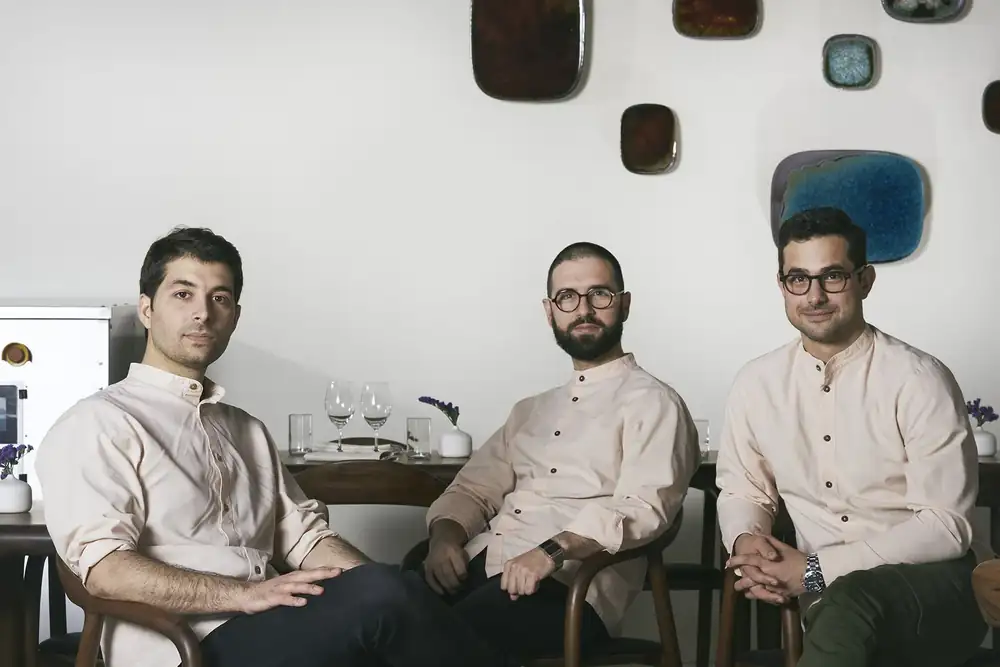
Cuando el español Albert Franch, el portugués Carlos Henriques y el serbio Luka Balac decidieron crear su primer proyecto juntos, pocos creían aún en la sostenibilidad como un valor futuro en el mundo culinario.
When Spaniard Albert Franch, Portuguese Carlos Henriques, and Serbian Luka Balac decided to create their first project together, few still believed in sustainability as a future value in the culinary world. Especially in Finland, where the three met and worked together at a Michelin-starred restaurant in Helsinki, a Nordic destination they had likely idealized before committing to it.
They now consider sustainability such a trivialized term, "and devoid of meaning", that they would even prefer not to use it, despite embodying it better than anyone through their commendable work. At Nolla, which means "zero" in Finnish, they have been fighting food waste since day one. That is, for six and a half years now. The restaurant, now a Green Star recipient and respected by food critics, leads by example in minimizing waste and hopes that kitchens around the world will follow suit. Because nothing would please the three co-owners of Nolla more than for their restaurant model to be imitated; a model as atypical as it is now rare, not only in Finland.
Just as they did, in a way, with Silo in London. Their head chef, Douglas McMaster, paved the way that Nolla would later follow from 2018 onwards. “He is our absolute role model” adds Albert Franch, acknowledging his admiration for the British chef. He is the one who has inspired and influenced them the most to date.
“We’re not perfect, so we still generate waste that we’d like to avoid. Our main goal is to reduce it and improve every day, although there are processes that don’t depend solely on us.” They want to thrive through outreach and education in order to gain more and more supporters for their environmental cause.
In Finland, it was difficult for people to understand what they were doing, and the three of them felt misunderstood. “Most of the time we were misinterpreted because they said we were the kids who collected and used the surplus or leftovers from supermarkets to support our business” Franch recalls.
They were young people with little money in their pockets, they initially invested €15,000 to open Nolla, and plenty of courage to start a business without any guarantee of success. They dreamed big, as they continue to do today.
Its ideologues, at the next Andorra Taste
As part of their outreach efforts, they will participate in the upcoming Andorra Taste, which takes place from September 18th to 22nd. Being speakers at this 3rd International High Mountain Cuisine Meeting, which focuses on Nordic cuisine, is a source of pride for them. It will be the first time they take to the stage at an international conference to present Nolla and cook some of their dishes.
“Doing it surrounded by people we admire so much and so close to home is a gift” confesses Franch, originally from Sallent (Barcelona). They will surely take advantage of this opportunity to raise awareness and emphasize the importance of prevention in reducing waste.
“We should consume food without contributing to so much waste. At Nolla, we stopped accepting surplus food from the food industry precisely to stop justifying it” Franch points out.
Nolla is one of those restaurants that prompts a rethinking of the status quo. It encourages reflection on the prevailing restaurant model, but also on consumption habits in the private sphere. "We shouldn't be looking for solutions to waste, but rather preventing it," the Catalan chef argues.
The dining room of the Helsinki restaurant is dominated by a composting machine, a way to raise awareness among its customers. Behind the bar stand tanks filled with their own beer, and on the tables rest fabrics and utensils made from recycled materials.
“We want people to think of Nolla as a normal restaurant, rather than an extraordinary one, where they can eat and drink well without compromising sustainability” says Franch.
It truly leaves no one indifferent, whether for the radical nature of its message or the creativity of its cuisine, which is based on seasonal, local produce prepared by its three co-owners. It's worth noting that the Finnish Gastronomy Society recognized it as the best restaurant in the country in 2022.