The stew
“Like birds heralding spring, the flower sellers appear in Madrid.” That’s what the famous song by Maestro Padilla, composed back in 1914, says.
We could turn that word around and replace spring with autumn and violets with stews. They're arriving, harbingers, the first of the season. In truth, they never really went away because, believe it or not, even during the sweltering summer in the capital, there are still people who can devour one. I'm talking, of course, about Madrid stew, the most popular of all the stews found throughout Spain, descendants of those hearty pots that fed Spaniards centuries ago.
Lately, a return to tradition has brought this stew back into the spotlight. Take, for example, the historic and luxurious Lhardy, happily restored to its former glory (and price to match) by its new owners, the García Azpiroz brothers.
My favorite is the one Santiago Pedraza and Carmen Carro, owners of the centrally located Taberna Pedraza, have been making for a decade. Carmen, a self-taught cook, has a real knack for stews. Her potato omelet is deservedly famous among Madrid residents. But where she truly shines is with the cocido (Spanish stew) she prepares daily. She and Santiago, her husband, are obsessive about finding the best ingredients, something they apply to this cocido, for which they seek out and select the finest components and serve in the traditional three courses, preceded by a croquette made from the cocido itself.
The soup, flavorful and perfectly skimmed of fat, is a real treat. The tureen is placed in the center of the table, and the diners keep coming back for seconds. Alongside it, as tradition dictates, are bread balls with garlic and parsley, some pickles, and fresh spring onions.
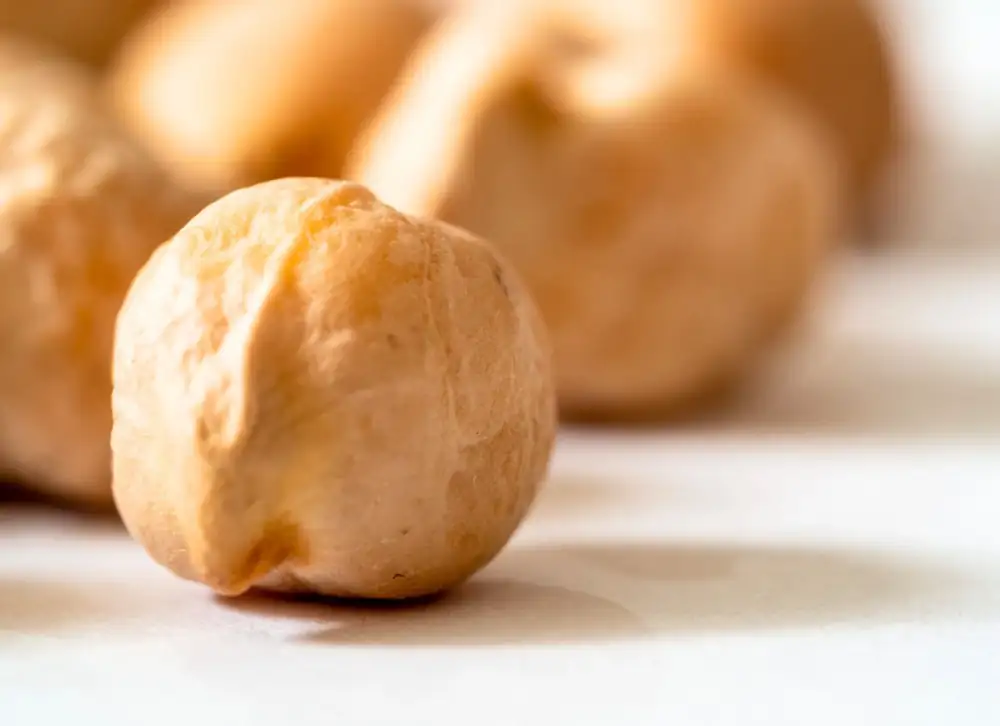
Next comes a platter of perfectly selected Pedrosillano chickpeas, all the same size and pure butter, with their corresponding sautéed potatoes, carrots, and cabbage. And the third course, the meats, with beef shank from an old cow, Galician chicken, large marrow bones, or chorizo and blood sausage from Olano in Beasain.
The bacon, ham hocks, and pancetta are all pure acorn-fed Iberian pork. It's a high-quality stew, nicely lightened, but it's still hard to finish because, after all, a Madrid stew is always a celebration of abundance. Try pairing it with a good cava or champagne—a perfect combination.