The Iron-Clad Rule For Swapping Honeycrisp Apples With Granny Smiths
Apples aren't one-size-fits-all when it comes to baking. If a recipe developer calls for a certain type of apple, they mean it, having tailored the other ingredients to that apple's size and sweetness.
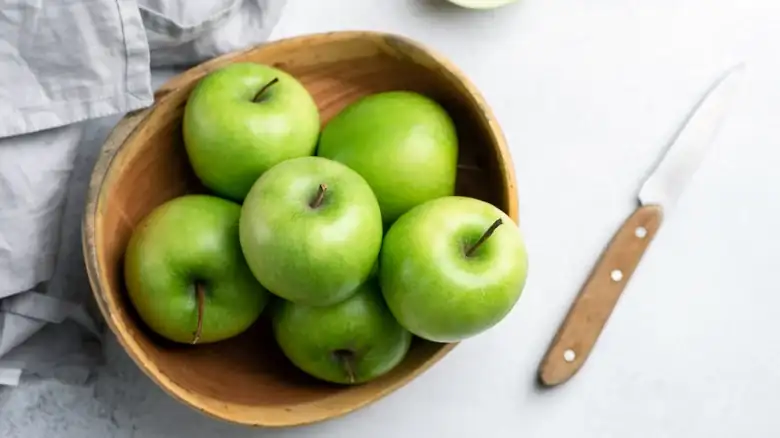
Let's start with the common Granny Smith swap. Granny Smith apples, with their tart, acidic bite, are incredibly divisive. If you love them, you'll look for any excuse to eat them. If you hate them, you'll be running for the hills, or to the grocery store, for an ingredient swap. If your apple-related recipe calls for Honeycrisp but you're a Granny Smith devotee, make the swap with one easy addition: sugar.
The amount of sugar you add depends on how sweet you like your desserts. The Barefoot Contessa uses half a cup of granulated sugar for her Granny Smith apple pie filling, while the Pioneer Woman uses half a cup of granulated sugar and another half cup of brown sugar for her pie recipe. If you're experimenting, start with a smaller amount. You can always sweeten up your end result with a sprinkle of sugar on your pie crust or a dollop of sweetened whipped cream. If you're a Granny Smith detractor reading a Granny Smith recipe, give sweet and juicy Honeycrisps a try but cut the sugar by at least half.
Which apples are best (and worst) for baking
Despite their differences in sweetness and sometimes in size, Honeycrisp and Granny Smith apples are each great choices for baking. Both are more tart than sweet and crisp enough to hold together in the oven. So are Pink Lady, Cortland, Jazz, and Braeburn apples.
As Fraya Berg reports for Food Network Kitchen, there are certainly some varieties to absolutely avoid, like Red Delicious, Gala, or Fuji. Softer-centered apples will break down too quickly in the oven, but you might consider them in other cooking contexts like applesauce or apple butter.
It's important to note that apple sizes vary widely, so compare what you have with your recipe. If your recipe calls for 10 cups of sliced apples, 10 medium apples will usually do the trick. If you only have large ones on hand, you'll only use about 8 apples. If your apples look quite small, it might take 15 thinly sliced apples before you reach 10 cups.
When in doubt of which apple variety to choose, why not try a combination? The slight textural differences will make each bite a surprise and the varying levels of sweetness will give your apple dessert a more complexly layered flavor.