
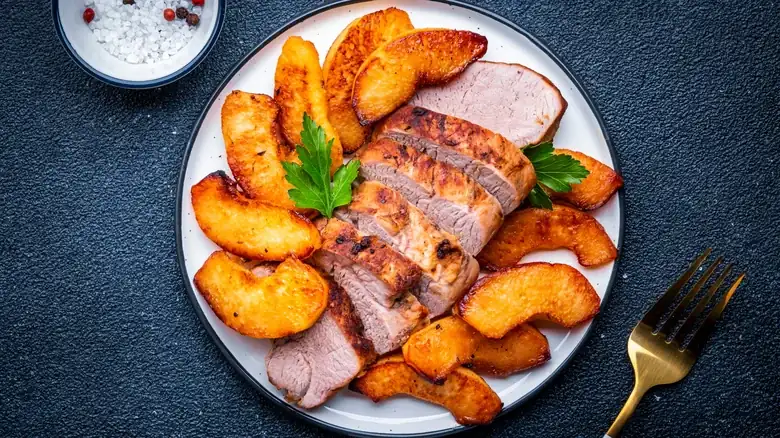
The wine pairing for pork depends on the cut, preparation, and sauce.
Pork is a difficult meat to classify in terms of wine pairing, and the choice between red and white wine depends on the fat content of the cut and the sauce.
The general rule is to choose red wine for red meat, such as steak or lamb, and a lighter red if the cut is lean. Seafood and white meats, such as chicken or turkey, are best served with white wine. Pork is known as "the other white meat," but the U.S. Department of Agriculture considers it red meat because of the amount of myoglobin, the protein that carries oxygen to muscle cells and affects the meat's color.
With pork, the choice depends on several factors. It can be a lean cut, like the loin, or a more succulent and fatty one, like the belly. The cut, the preparation, and the accompanying sauces or seasonings also matter.
The key lies in the tannins, compounds found in some plants that impart a bitter, astringent, or pungent flavor, such as coffee, chocolate, or tea. Grapes contain them in their skins and seeds, so red wine has significantly more tannins than white. With pancetta, the tannins in the red wine counteract the richness of the fat, and a light red like Pinot Noir is a good choice because it's mild enough to allow the meat to shine. A more intense red risks masking the flavor of the pork.
For lean cuts of meat, such as chops or sirloin, a wine with low tannins is best. A crisp white, like a Riesling or Chardonnay, won't overpower the delicate flavor of the meat. If the dish features a creamy sauce or one with citrus or herb notes, such as sirloin with lemon and thyme sauce, the white wine will enhance those flavors. The same applies to pork in sweet sauces, like a honey glaze or apple sauce: a low-tannin white wine pairs better, because highly tannic reds can overpower the sweetness of the sauce.
Pairing wine with pork is less straightforward than with a steak or fish, but these guidelines are enough to choose the right wine for each occasion.