Why lemon drops aren't technically martinis
Whether you prefer a cobbler, a sour, or a daiquiri, you're probably familiar with certain cocktail categories. And while these designations are helpful when creating a menu and trying to simplify the vast repertoire of drinks, this consolidation harms less popular styles that may eventually disappear, such as the category known as crusta.
Whether you prefer a cobbler, a sour, or a daiquiri, you're probably familiar with certain cocktail categories. And while these designations are helpful when creating a menu and trying to simplify the vast repertoire of drinks, this consolidation harms less popular styles that may eventually disappear, such as the category known as crusta.
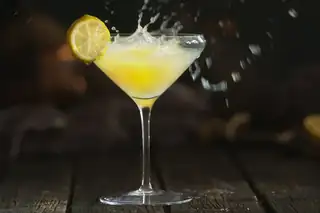
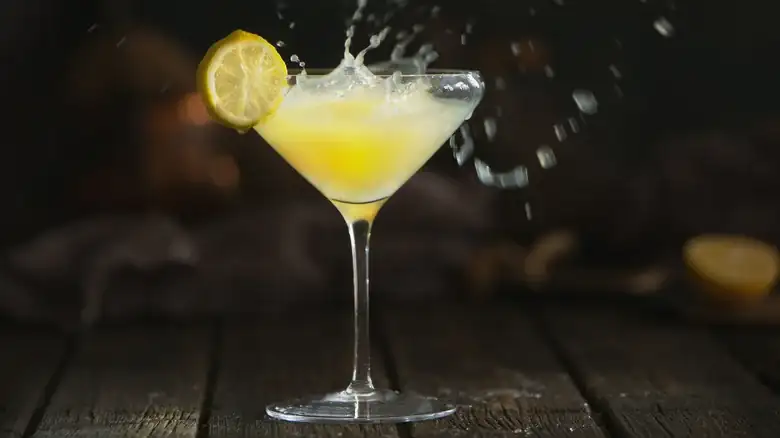
While the word might not be familiar to you, you've likely tried a classic example, or at least heard of one, the lemon drop. This bittersweet, bright, and characterful drink has often been mistakenly classified as a martini, but it's actually an archetype of the crusta style.
Like other classic cocktails, the crusta has a defined formula. It's made with a base spirit, lemon juice, and sugar. The original recipe for this cocktail (developed in mid-19th-century New Orleans) is believed to have been brandy-based, but while the classic lemon drop follows this initial recipe, it uses vodka. A martini, on the other hand, is made with a base spirit, usually gin or vodka, combined with some type of vermouth (sometimes in a 50/50 ratio) and, generally, nothing else. And while there are many variations of this iconic Bond favorite, a true lemon drop belongs in the crusta category.
Preparation of a modern crustacean
Thanks to its simple formula, crusta can be prepared in many ways. You can make a simple syrup for your cocktails (and even try some tasty enhancements) and include it as the sweet ingredient, but these days, a common lemon drop recipe uses equal parts vodka, lemon juice, and triple sec as the sweet star. Another suggests using limoncello instead, intensifying the lemon flavor (while triple sec is an orange liqueur), and even incorporates lemon bitters to balance the flavor a bit.
Another distinctive feature of the classic crusta is its sugared rim (hence its name) and a generous portion of citrus peel or an elaborate carving of the fruit. The crusta consists of a whole section of peel, cut into a single round piece, which is inserted into the glass. Nowadays, lemon drops are usually garnished with a simpler garnish: a lemon wedge coated in sugar. The V-shaped martini glass can also be omitted, as the crusta was traditionally served in a wine or whiskey glass.
But if a lemon drop isn't your thing, you can experiment with a customized crusta. Use whiskey or rum as a base, try maraschino liqueur for a hint of cherry, or grenadine for sweetness (the latter also gives it a lovely pink hue). Substitute grapefruit juice for lemon juice. However you choose to personalize or present your cocktail, you'll be helping to preserve the crusta tradition and keep its unique name alive.
These cocktails also have a different look.
In cocktails, presentation is key, and the whiskey sour and the New York sour are perfect examples. This classic drink, with its creamy egg-white foam, exudes understated elegance. Its light amber hue evokes tradition, capturing the essence of the classic cocktail without artifice. It's like that trusted friend who always dresses well without trying too hard.
In true New York style, the New York Sour bursts onto the scene with a bold and irresistible presence. Its signature layer of red wine creates a captivating gradient that fades from a deep, intense ruby at the top to a warm amber at the bottom. It's like a work of art in a glass: sophisticated and Instagram-worthy. This striking visual spectacle makes it the ideal choice for those seeking a cocktail as vibrant as their personality.