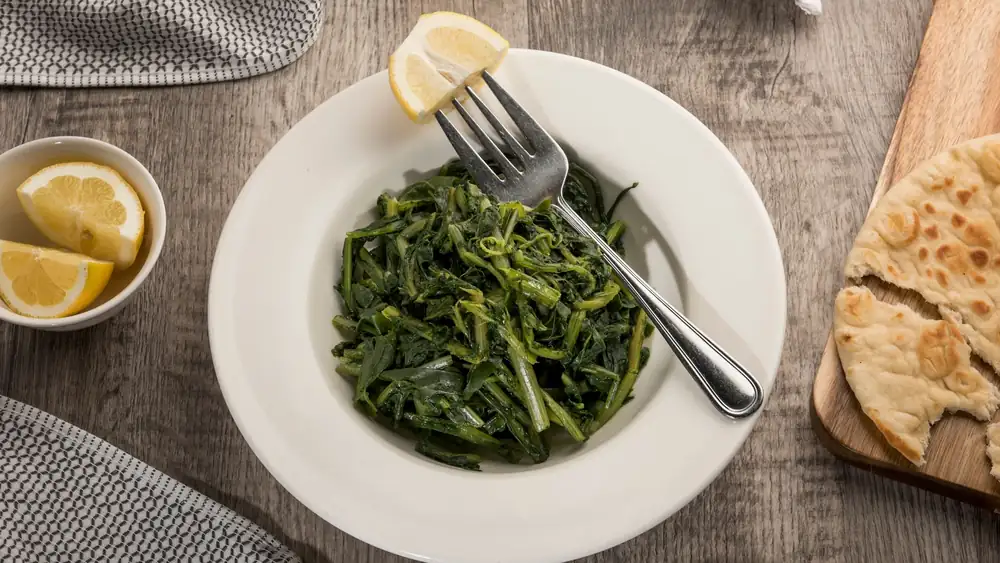
Frozen Spinach in a Pan: Tips for Making It More Flavorful
Let's face it, pan-fried frozen spinach is a truly wonderful invention. It's an excellent side dish and can quickly transform any meal into a meal.
A bag of frozen spinach is always in my freezer. It's one of those versatile ingredients that, when the fridge is almost empty or I don't have much time to cook, I know I can whip up a healthy side dish, a first course, a savory pie, or a filling in just a few minutes.
They're already cleaned, ready to cook, and allow you to use only the amount you need, without waste. Pan-frying is ideal; just a few minutes of cooking are enough, and they're ready to serve as is or with other ingredients.
Does frozen spinach retain its nutritional properties?
It's sometimes mistakenly believed that frozen vegetables lose their nutritional value. In reality, spinach destined for freezing is harvested at peak ripeness and processed very quickly.
The freezing process preserves many of the vitamins, minerals, and fiber naturally present in the leaves. This makes them a great alternative to fresh spinach, especially when the latter is out of season or has already spent several days in the refrigerator.
Naturally, as with any vegetable, some of the vitamins most sensitive to heat are lost during cooking, but this applies to both fresh and frozen spinach. So, here's how to cook frozen spinach in a pan and how to best use it.
Frozen Spinach in a Pan: Recipe
- 600 g of frozen spinach
- 1 clove of garlic
- extra virgin olive oil to taste
- sale q.b.
- pepe q.b.
- lemon to taste
- Heat a low, wide nonstick pan. Add 2 tablespoons of extra virgin olive oil and the garlic clove. Brown lightly and add the frozen spinach.
- Cook over high heat for a few minutes, then mash with a fork so that the spinach cubes fall apart.
- Cover with a lid and continue cooking for about 10 minutes. Season with salt and pepper and add lemon zest and juice to taste.
How to use frozen spinach in a pan
Frozen pan-fried spinach is ideal for so many recipes, which is why it's always in my house. It can be used in so many ways, and kids always love it, too. Here are a few ideas to keep in mind.
Pan-fried spinach is already delicious enough to serve as a side dish, especially with the addition of lemon. However, you can make it richer and tastier in several ways. For example, add some browned pancetta or guanciale for an instant boost of flavor.
Make stringy spinach by adding mozzarella or stringy cheese while cooking. This version will be especially popular with the little ones.
Or, add anchovy fillets for a more sophisticated and unique side dish. Don't forget to add some lemon zest, which pairs beautifully with anchovies.
Frozen, pan-fried spinach is also an excellent base for quick first courses. Blend it and combine it with flour to make green gnocchi, tossed with butter and sage. Or, it's an ideal pasta sauce; with a few additions like speck, pancetta, and salmon, you'll have a complete and flavorful first course.
I often use them in risottos, blending them and adding them halfway through cooking. I then top them with fresh robiola and lemon zest for a quick yet elegant first course, perfect for a more formal dinner.
Frozen spinach is one of the most popular ingredients for savory pies. After cooking, simply drain the excess water thoroughly before adding it to ricotta, cheese, or other filling ingredients.
They pair perfectly with puff pastry and shortcrust pastry and make a quick dinner or a dish to bring to the table for a family lunch. They're also excellent for quiches, rustic pies, and savory strudels.
Once cooked and well drained, frozen spinach is ideal for fillings and stuffing. I use it to stuff ravioli, cannelloni, or crepes.
They're also excellent in fillings for stuffed vegetables, vegetarian meatballs, meatloaf, and casseroles. Their delicate flavor pairs well with ricotta, meat, aged cheeses, and eggs, making them extremely versatile in the kitchen.