12 Wine Drinking Mistakes You Should Stop Making
South Africa, for example, has an excellent wine region that serves up its own grapes, such as pinotage, as well as classics, such as chardonnay and cabernet sauvignon. As a result, not only are South African wines delicious, but they also tend to be a good value for the price.
“Terroir is how a particular region's climate, soils and aspect (terrain) affect the taste of wine. Some regions are said to have more 'terroir' than others.”
Think about the general flavors of your wine. Is it sweet or dry, rich or light, heavily flavored or lightly flavored? This will help you decide what to pair them with. For example, bold red wines pair well with fatty red meat, whereas white wines tend to pair well with lighter meats.
Choosing a wine that does not fit the meal you're having will end with disjointed flavors that simply do not meld. If you are looking for a wine to pair with a specific food and feel unsure as to how to pair it, you can always ask a wine steward at your local wine shop. Visiting a winery and doing a wine tasting with a sommelier will also help you understand more about wine pairings.
Storing incorrectly
One of the biggest wine-drinking mistakes happens before the wine even hits your glass: Storing the bottle incorrectly is a huge no-no. When you think of a classic wine cellar, you likely think of rows of sideways bottles stacked in dark caves. Of course, we are not suggesting everyone invest in a wine cellar, as that would be impractical, but there are some lessons to be learned from it. First, if you are storing the wine for any significant amount of time, the bottles should be stored on their side. This is especially important for cork-topped bottles as the corks can dry out if stored vertically, causing the seal on the bottle to break and the wine to age. Affordable wine racks are readily available from places like Target and Amazon. Once you have the bottles stored on their sides, where you place them is equally as important. Wine should be stored at a rel
Aging wine that is not meant to be aged
While there are wines that are meant to be aged and improve with age, most table wine is intended to be consumed within 2 to 5 years, with red wines, in general, lasting a lot longer than the white and rosé types. These times are specifically for unopened bottles of wine that are stored properly. If you are opening a bottle of wine of questionable age and want to know whether or not it is still good, there are a couple of signs to look out for. First, there is the color. As the wine oxidizes, red wine will turn less red and more brown. The wine will also appear cloudy, and non-carbonated wine may start to become carbonated. A surefire way to tell if your wine is past its best-by date, though, is to taste and smell it. Old wine will often take on a harsh taste or smell that is similar to vinegar. It will likely be unpleasant to drink, making it hard to enjoy. If yo
Drinking wine that has been open for a long time
Sometimes a bottle of wine never makes it past the night. Other times, that same bottle will sit on the counter for days, even weeks, before you are ready to pick it up for another glass. We encourage you to stop before you reach it and remember exactly when it was opened. Once the wine is open, it will typically not last past a week or so on the counter before it starts to go bad. As soon as that bottle of wine is open, you are allowing all the things the seal kept out to get in. This can be bacteria, but even things like oxygen will have an effect on the wine. Think of it like a bag of chips. As long as the bag is sealed, the chips will stay crispy and flavorful, but the clock starts ticking as soon as the bag is open. Most wines last between three and six days once open, though sparkling wines are only good for a day or two. Storing the wine in the fridge c
Breaking the cork
When it comes to cork-top wines, just getting the bottle open can be a chore. Often, for older bottles of wine or ones that have been stored incorrectly, the cork can become dry and brittle and crumble as you try to open it. This is not only frustrating but can lead to flecks of cork in your wine, which is most certainly not the pairing you were hoping for. To prevent this, not only store bottles of wine correctly but also familiarize yourself with the different bottle openers and the proper method for using them. The most popular forms of wine openers involve a corkscrew. This might be in the form of a wine key, also known as a waiter's corkscrew – some of the most basic wine bottle openers. For those, simply center and twist the screw into the bottle, and use the lever on the side to lift the cork out of the bottle. If this does not work for you, try using a winged
Not letting red wine breathe
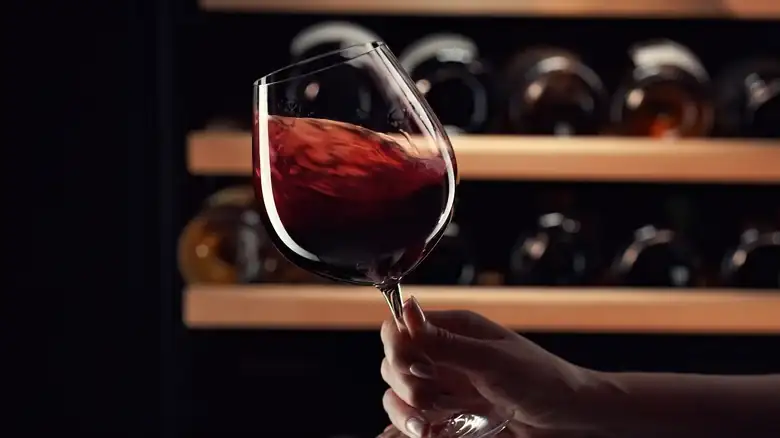
Opening a bottle of wine and immediately drinking it is tempting, but as they say, all good things come to those who can wait. This is especially true when it comes to wine. Not letting your wine breathe, particularly young, bold red wines, is a big mistake that will lead to a less enjoyable glass. Letting wine breathe simply means exposing it to air to oxidize. We have discussed how over-oxidized wine is also a problem, but as with most things, there is a happy medium to be found here. When you let the wine breathe — especially young red wines — it can have a softening effect on the flavor and aroma. Now even though there are products out there that claim to aerate the wine faster, really, all you need is a glass. Pour your wine, and give it a few swirls. This will help encourage the oxidation process. Finally, there are some wines that do not benefit from breath
Only drinking wine based on color
We have all had the question: red or white? While this is the first thing many people think of when it comes to drinking wine, wine is far more complex and nuanced and can not be distilled down to a single color choice. While it is okay to have preferences, only drinking one of one color can lead to a less fulfilling wine experience. There are variations in acidity, mouth feel, and sweetness within wine. Before asking yourself what color you want your wine to be, ask yourself if you want a light and crisp wine or a rich and bold wine. Think about how sweet you like your wine and what tasting notes you are looking for. Even within color, there is a broad range when it comes to wine. Sure, there are red and white wines, but there are also rosé wines which offer a pink color, and orange wines, which offer a more auburn color. Again, there is so much variation
Using the wrong cup
Did you know depending on the type of wine you are drinking, you should actually be using differently shaped cups? For example, many people know that bubbly wine goes in a different glass, this is often a flute or a coupe-style cup, but even your general table wine should not all be poured into the same kind of glass. The main difference between red wine and white wine glasses starts with the size. Red wine glasses tend to be bigger and with a larger cup portion, while white wine glasses tend to be smaller. This allows red wine to aerate faster and more evenly than white wine. Additionally, white wine glasses tend to have longer stems than the red wine glass. These keep warm hands away from the wine, keeping it at an ideal temperature for longer. Within these two types of wine glasses, there is even more variation with different body lengths and shapes that are ideal
Drinking at the wrong temperature
General knowledge says that red wines should be served at room temperature, and white wines should be refrigerated. While it is true white wine is typically served colder than red wine, this is an oversimplification of ideal temperatures that over-chills some wines and under-chills others. The ideal temperature for most red wines is actually between 50 and 65 degrees Fahrenheit, which is colder than most homes, even in the winter. So why do we usually say room temperature? Think back to the idea of a wine cellar or an old stone castle. Room temperature in those situations is very different and cooler from the average American kitchen. To get the best flavor from red wine, try popping it into the fridge for about an hour to bring it down to medieval castle temperature. While white wines are better served chilled, the average fridge refrigerator temperature is j
Overfilling your glass
We all love a hefty pour of wine; however, to truly get the most out of your bottle, both literally and experientially, it is important to avoid overfilling the glass. A standard pour of wine is 5 ounces. This means that in a traditional 750-milliliter wine bottle, there should be about five glasses of wine. Unfortunately, it also means your cup will likely look like it is underfilled when in fact, you have a full, standard-sized glass. Red wine glasses are typically filled just ⅓ of the way. This is due to their larger bodies, and it allows the wine to be swirled and aerated. White wine glasses are filled about halfway, and sparkling wine is ¾ of the way. Despite sparkling wine being the most full, the standard pour is actually a hint smaller at just 4 ounces. The good news is this means you get an extra serving of sparkling wine from each bottle, which will
Judging the wine based on the package
Do not judge a book by its cover or a wine by its packaging. There is a lot of good information available on wine labels, but before looking at the label, many people blow past certain wines based on just the branding or type of container. One of the biggest contenders for this mistake is boxed wine. We are not going to argue that all boxed wine is good. However, not all boxed wine is bad, and there are actually certain advantages to boxed wine. For one, boxed wine saves better than bottled wine and can be "open" for longer. Some estimate they can last months after being open. Also, boxed wine tends to come in larger sizes than bottles, giving you more wine to enjoy. Not to mention, the packaging can be considered more environmentally friendly, especially since the cardboard box part can be recycled. Especially for regular table wine, boxed wine should not be so im
Only drinking wine from one region
Much like the assumption that cork-topped and glass-bottle wines are better than the alternatives, it is easy to assume that a wine from a certain region may be better. There is some truth to the idea that different parts of the world will produce different-tasting wine. In the wine world, this is called terroir. According to Wine Folly, "Terroir is how a particular region's climate, soils and aspect (terrain) affect the taste of wine. Some regions are said to have more 'terroir' than others." This is why a Merlot grown in different places will never taste exactly the same. However, defaulting to old-school wine centers such as France and Italy means you could be missing out on some amazing wines. Plus, just because they are made there does not mean they will be high quality. South Africa, for example, has an excellent wine region that serves up its own grapes,
Pairing with the wrong food
Pairing wine and food is one of life's great joys. However, not every wine is meant to be paired with every food. Even some classic pairs we may think of, such as wine and chocolate, are not the classic combo we would all like to think of. Dry wine and dark chocolate can end up being overpoweringly bitter and just unpleasant. It is best to balance the two. For example, pairing a sweeter wine and a darker chocolate, or vice versa. Or try something like chocolate cake with sparkling wine. Think about the general flavors of your wine. Is it sweet or dry, rich or light, heavily flavored or lightly flavored? This will help you decide what to pair them with. For example, bold red wines pair well with fatty red meat, whereas white wines tend to pair well with lighter meats. Choosing a wine that does not fit the meal you're having will end with disjointed flavors that sim