A Sweet Addition Can Help You Balance Out Over-Salted Foods
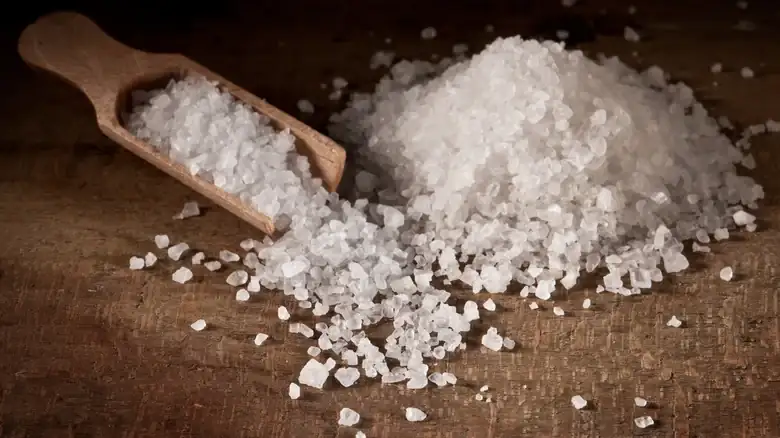
Have you ever been cooking and accidentally added enough salt to clear a road in the winter? Reaching for some sugar can help correct your salty mishap.
A classic flavor combination for a reason, salty and sweet go hand in hand in the culinary world. Less than a spoonful of sugar is all you need to tone down an over-salted dish. Start with a pinch at a time, making sure to taste in between sprinklings to ensure you don't over correct and end up with a dish that's too sweet. Any type of sugar will work to balance out saltiness or even acidity, whether its white or brown sugar, honey, or maple syrup. If you've over-salted something that's already on the sweeter side, like a dessert, jam, or sauce, dilution with a dairy-based product, like milk or sour cream, will help balance it out.
How to balance your salty, sweet, sour, or bitter dish
As any great chef will tell you, using the right type of salt is a key to avoid an overly salty dish from the start. Different salts will change the flavor and concentration of salt levels, so knowing which type of salt to use and when is a fantastic preventative measure.
We already know sweetness will balance out saltiness, but will salt balance other flavors? It sure will. Ever thrown a dash of salt onto a halved grapefruit? This combination works because the salt counteracts some of the bitterness in the grapefruit. In turn, bitterness can help balance out a dish that's either too rich or too sweet because the five core tastes have a synergistic relationship to one another.
Understanding the five flavor elements will help when building flavors for any dish. Those elements are sweet, salty, bitter, sour, and umami. The last one is the hardest to pin down and doesn't really follow the same symbiotic balance as the others do. Umami comes from specific savory foods and acts as a way to deepen and complement other flavors, giving them a little extra oomph. Due to the complex mouthfeel and structure of umami, you'll need less salt overall when using umami foods like certain cheeses, red meat, and many types of mushrooms. Building an umami pantry in your home is a great way to mitigate the use of salt when cooking.