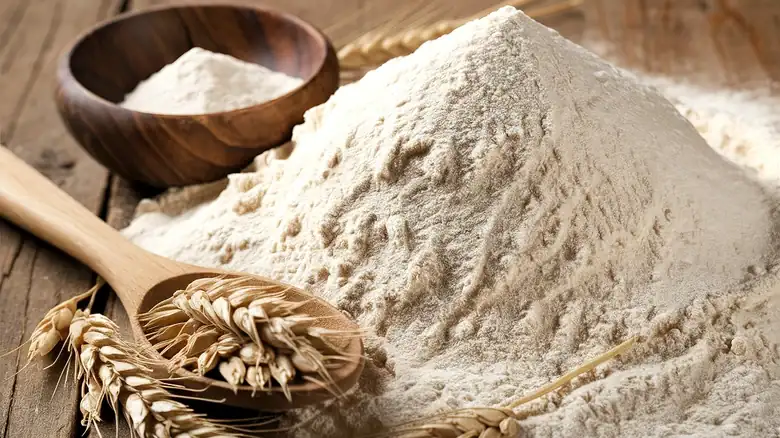
The Sweet Reason You Should Be Milling Your Own Flour
If you have some extra time in your baking schedule, there's a fresh way to elevate your results for enhanced flavor and texture, including a slightly sweeter taste.
“Compared to regular AP flour, or other store-bought flours, freshly milled flour has so much more flavor — it has nutty, slightly sweet undertones, and it often has a lighter and airier texture when baked,”
"Compared to regular AP flour, or other store-bought flours, freshly milled flour has so much more flavor — it has nutty, slightly sweet undertones, and it often has a lighter and airier texture when baked," Guy shared. "Whole grains like wheat, rye, spelt, and einkorn are popular because they offer more nuanced flavor and bake better than their pre-packaged versions."
To serve up home-ground flours and take advantage of the enhanced tastes, textures, scent, and final appearance, it doesn't need to take a lot of time. Various personal-use grain mills are available on the market for home bakers who want to mill their own flour.
Old-fashioned manual hand crank mills can still be found, but for the purposes of milling flour for at-home baking, an electric model is more practical and much faster. If you have a KitchenAid Stand Mixer, you can simply purchase a grain mill attachment for the appliance, which can be more cost-effective than buying a standalone mill.
Using and storing your home-milled flour
Jerrelle Guy explained that home-ground flour is susceptible to spoiling much faster than its commercially purchased siblings. For that reason, it should be used more promptly. "Store-bought flour has been stripped of oils and sometimes treated for a longer shelf life, while freshly milled flour is more perishable because it contains all the grain's natural oils, so it should be used sooner rather than later," she advised.
Like so many things, home-milled flour is best when it's fresh. Grinding your grains and using the resulting flour the same day will yield optimum results, as its flavor and vitamin and mineral content will be at their peak immediately after milling. Grinding your flour right before baking not only helps you harness the fullness of freshly ground flour's nutritional value, but you'll get the very best taste, too.
But it's not always feasible to use your home-ground flour the same day you mill it or to mill it every time you bake. Thankfully, you can store it — even for months at a time. "For short-term storage (a few days to a week), keep it in an airtight container in a cool, dark place," Guy instructed. "For longer storage, refrigeration (up to a month) or freezing (up to six months) is best to keep it from going rancid."