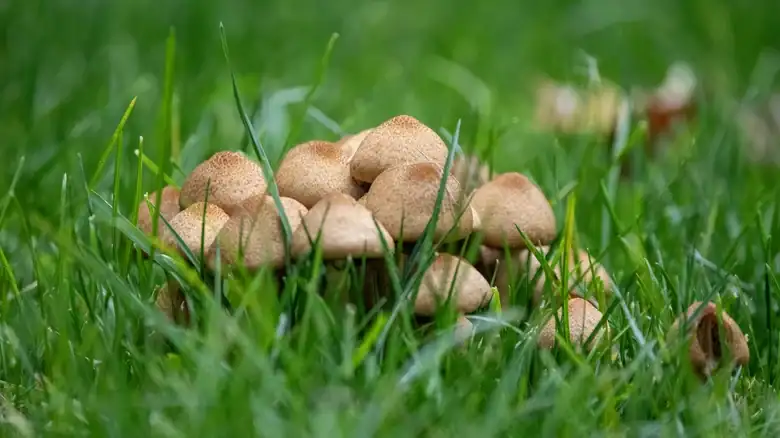
¿Es seguro comer las setas que crecen en el jardín?
Está bien, casi todo el mundo se lo ha preguntado al menos una vez. Ya seas un niño curioso con el estómago rugiendo antes de que te llamaran para cenar, o un excursionista delirante con tu última barra de granola, muchos aventureros al aire libre se han preguntado si pueden comer ese hongo de aspecto extraño que encontraron en el jardín. Desafortunadamente, es definitivamente más seguro no comerlo. Los únicos hongos que el av
It's okay — almost everyone has wondered about this at least once. Whether you were a curious child with a rumbling tummy before getting called in for dinner, or a delirious hiker on your last granola bar, many an outdoor adventurer has wondered if they can eat that weird looking mushroom they found in the backyard. Unfortunately, it's definitely safer not to eat it. The only mushrooms that the average human should consume are the ones that are guaranteed to be safe — and, chances are, a mushroom found in the grass of a suburban yard has the potential to be extremely dangerous.
A general rule of thumb to live by: Do not eat the mushroom! Unless you are completely sure — without a doubt — stay away from wild fungi. There are plenty of mistakes people make with mushrooms, which only confirms that mushrooms should be prepared with the utmost care and attention.
Why to avoid eating wild mushrooms
Staying away from wild mushrooms is the safest option because confusing one mushroom for another could end in a series of horrifying symptoms, ranging from slight discomfort to agonizing death. The Amanita phalloides variety, aptly nicknamed the "death cap," has led to the majority of human deaths related to poisonous mushroom consumption. Not surprisingly, it's been deemed the most toxic mushroom in the world, per the British Columbia Medical Journal. After inducing nausea, vomiting, and diarrhea, the liver damage that the mushroom causes often ends in fatality. The similarly named "death angel" mushroom (Amanita virosa), despite showcasing a unique and gorgeous shape, can even poison babies through breastmilk if the breastfeeding parent consumes the mushroom.
While there are a few wild mushrooms that are, in fact, safe to eat, it is also very easy to confuse a non-poisonous mushroom with a poisonous look-alike. In 2003, a man in British Columbia nearly died after eating what he thought was a non-toxic "giant puffball" mushroom (Calvatia gigantea), but was really a young death cap. Since many safe mushrooms are nearly identical to the most deadly fungi in the world, it is much safer to shop for mushrooms from the grocery store instead of in the wild.