Why Sous Vide Lobster Is Best For Perfect Lobster Rolls
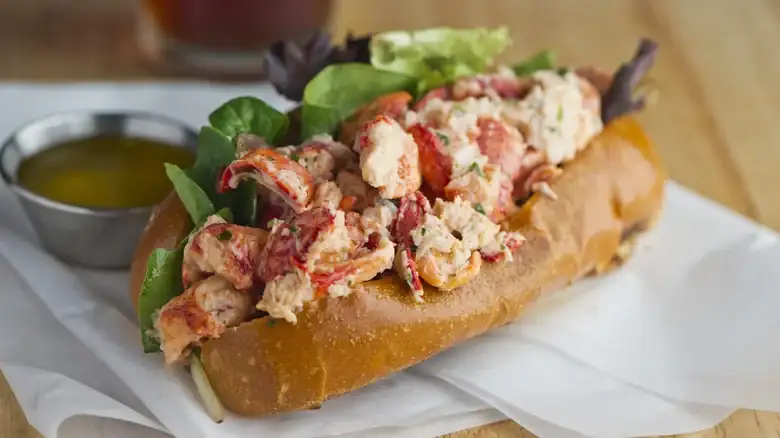
Lobster rolls inspire a passionate reaction for a good reason. Promising rich, buttery lobster bites nestled in a perfectly toasted bun, the dish is sublime, whether served hot or cold, with mayo or without, or mixed with crispy salad greens or left naked with a sprinkling of chives for color and flavor.
If you aren't sure what sous vide even means, you aren't alone. The term is a French one, translating to 'under vacuum,' which refers to a specific cooking technique. Essentially, vacuum sealed food is cooked slowly in a water bath at a low temperature. The result is perfectly cooked meats, seafood, and vegetables that are deliciously juicy and tender. It is a popular way of cooking in many restaurants and, by using a temperature-controlled water bath, chefs are able to nail the ideal cook on their food every time. With a dish as finicky as lobster, sous vide cooking helps take out all the guesswork.
You can do a sous vide cook at home
Cooking sous vide traps the natural juices into the food, preserving flavor and keeping meats, seafoods, and vegetables from drying out. When lobster is cooked sous vide, those delicate juices guarantee the meat will be creamy, buttery, and cooked to perfection. Professional chefs have the luxury of using a special piece of equipment, a sous vide cooker, but you can achieve the same results on your own with just a little bit of work.
To do a sous vide cook at home, you have a couple of options. You can purchase a sous vide immersion circulator, that will make it easy to maintain a steady temperature and can even connect via Bluetooth to let you know when your cook is done. You can even go the extra step and purchase a vacuum sealer so you get the perfect seal on your lobster, or you can use plastic zipper bags and skip the fancy immersion circulator and instead simply use a thermometer and patience, watching and adjusting as needed to maintain an even temperature.
If you opt for the ziptop bag method, make sure to press out as much air as possible when sealing, as any air can cause the bag to float, affecting the cook temperature. If the bagged lobster seems to float even without extra air, you can add weight to the bags (spoons and knives are fine) to help bring them down. Be sure to add butter and seasoning to your lobster before you seal the bag to give it a richer flavor. Parsley, dill, and tarragon make great choices, and all have a light, delicate flavor that will enhance the lobster meat rather than overpower it. Finally, don't forget to save those discarded shells for a delicious lobster stock! You'll be thanking us later when you use it make the best pot of lobster chowder you've ever had.