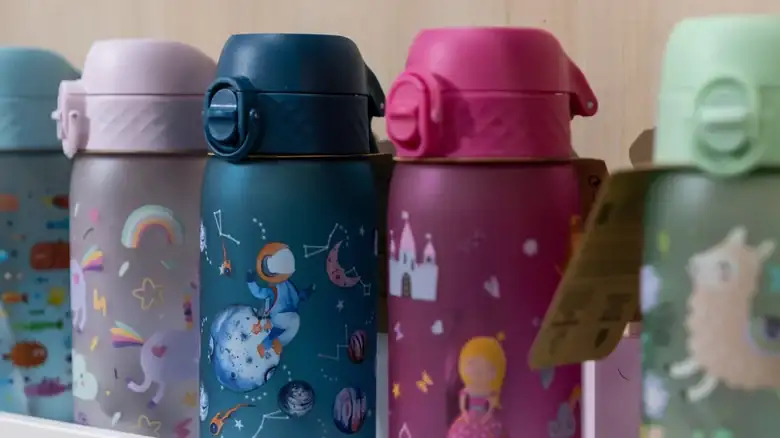
Tu botella de agua reutilizable probablemente esté sucia. Aquí te explicamos cómo limpiarla
Ninguna buena acción queda sin castigo, como puede atestiguar cualquiera que haya dado alguna vez valiosos comentarios sobre la ensalada de patatas de la tía Sally.
No good deed goes unpunished, as anyone who has ever given valuable feedback about Aunt Sally's potato salad can attest. Likewise, once you finally resolve to drink more water, a whole new world of bores, chores, and public bathroom doors flood in like a wild river. And even after you've learned the easy frozen trick for top-notch lemon water, accepted that sparkling is just as hydrating as still, and identified the best reusable bottle for you, you've got to keep cleaning the darn thing into eternity.
The best way to keep your reusable water bottle clean, is frequently. Scrub it with hot, soapy water at the end of each day, thoroughly drying after. That dryness is key, and one of the reasons we don't love a dishwasher for this particular task. Most reusable water bottles have dark crevices where moisture can linger and invite its best friend, bacteria. Together, they live to make you sick. Being that plenty of dishwashers don't quite reach the aridity of our dreams before its time to unload, it's just more effective to clean and dry reusable water bottles by hand. But, if you left it in your handbag, on the Peloton, or back at the office over the weekend, there are some additional measures you can take.
Reusable water bottle cleaning solutions
If you've given your water bottle a good thrashing under the tap and it still doesn't seem pristine, you might want to break out the chemicals. Bleach, for example, is bacteria's greatest foe. It's none too kind to humans, either, so you want to dilute it and use caution: In a well-ventilated area, combine 2 tablespoons of bleach with 1 gallon of water and submerge the bottle for six minutes to disinfect. Rinse thoroughly, wash with soap and water once more, and, as always, dry completely.
Being that such strong chemicals give many of us the heebie-jeebies, you can take a similar approach with white vinegar. You want a well-ventilated area for this solution, too, since vinegar's eye-watering odor tends to linger. Many of the recommendations for this method suggest filling the water bottle with equal parts vinegar and water, shaking, and leaving overnight. But that does not get to the bottle's exterior spout, so you can also make a second water-vinegar batch that goes into a bowl or any appropriately-sized vessel for what's to follow: Turn the water bottle upside-down and give its threaded top a good dunk in the solution. Flip upright, fill with the 50/50 mix, and cover loosely with a sandwich bag. Drop the top into the bowl to soak, cover it, and leave both the cap and bottle to sit overnight. Wash and dry like normal the following morning, and forever after.