Everything You Need to Know Before Dinner at El Chato, Bogotá's Most Talked-About Table
A converted house in Chapinero, a chef who cooks the whole country, a bar worth arriving early for. Here is how a night at Álvaro Clavijo's restaurant unfolds, and what not to miss.
El Chato is easy to walk past. It occupies an old house on Calle 65 in Chapinero, one of the leafier and more pleasant neighbourhoods of Bogotá, and from the street it looks like a bar with good lighting. It is that, and downstairs you should start there: the cocktails are built around Colombian spirits and house-made bitters, and the small plates that come with them, a yuca bread with sea-salt butter, a broth of roasted corn, tell you immediately what kind of kitchen you are dealing with.
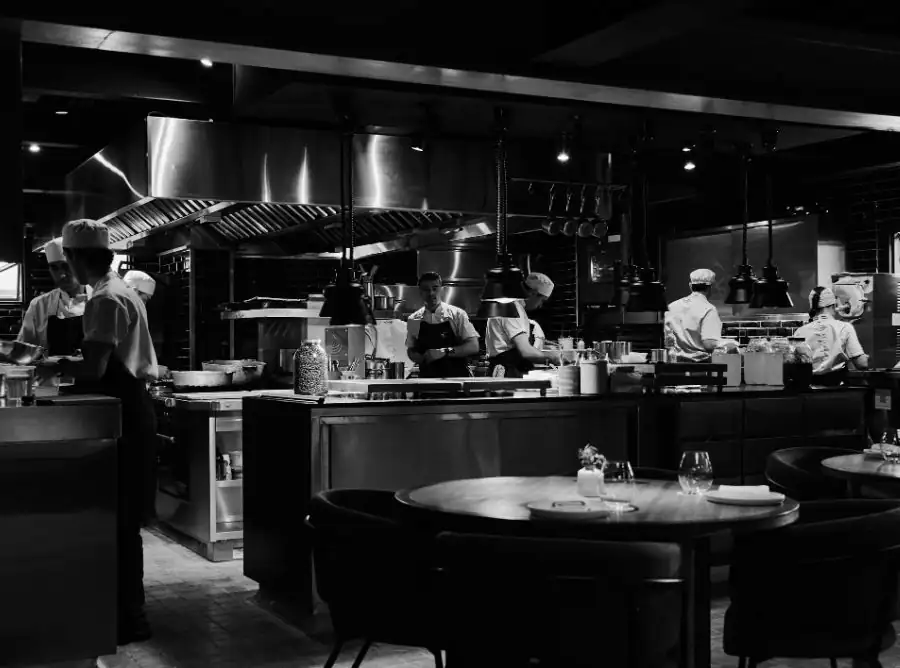
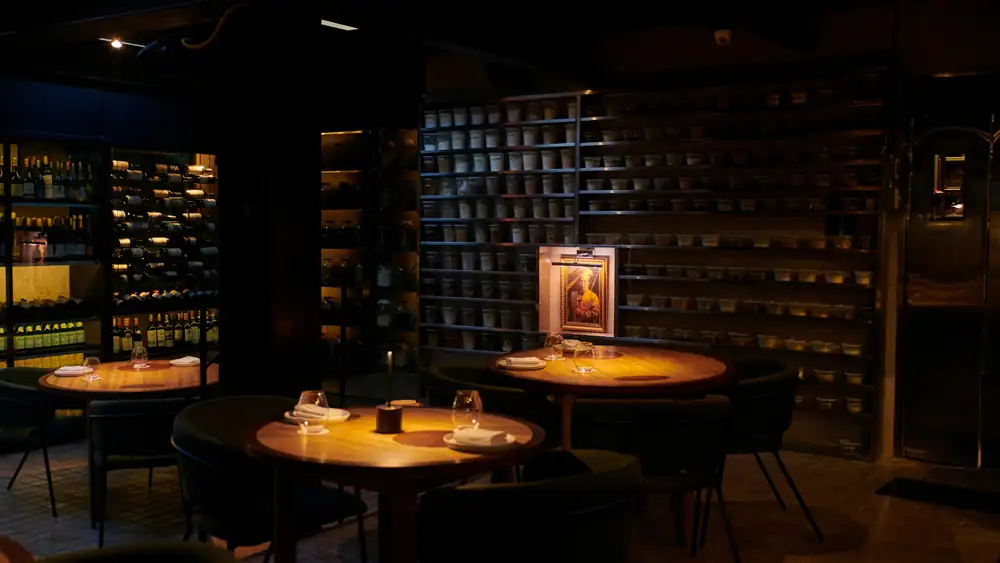
Upstairs, the dining room is warm and unpretentious, wood and plants and low light, with a view into a kitchen where Álvaro Clavijo, back from years at serious addresses in New York and Copenhagen, runs a young brigade with the focus of a man who knows exactly what he wants to say. What he wants to say is: Colombia. The menu is a tour of it, from the roots of the Andes to the fish of two oceans to the fruit of the Amazon, and it changes constantly because the producers he works with tell him what is ready.
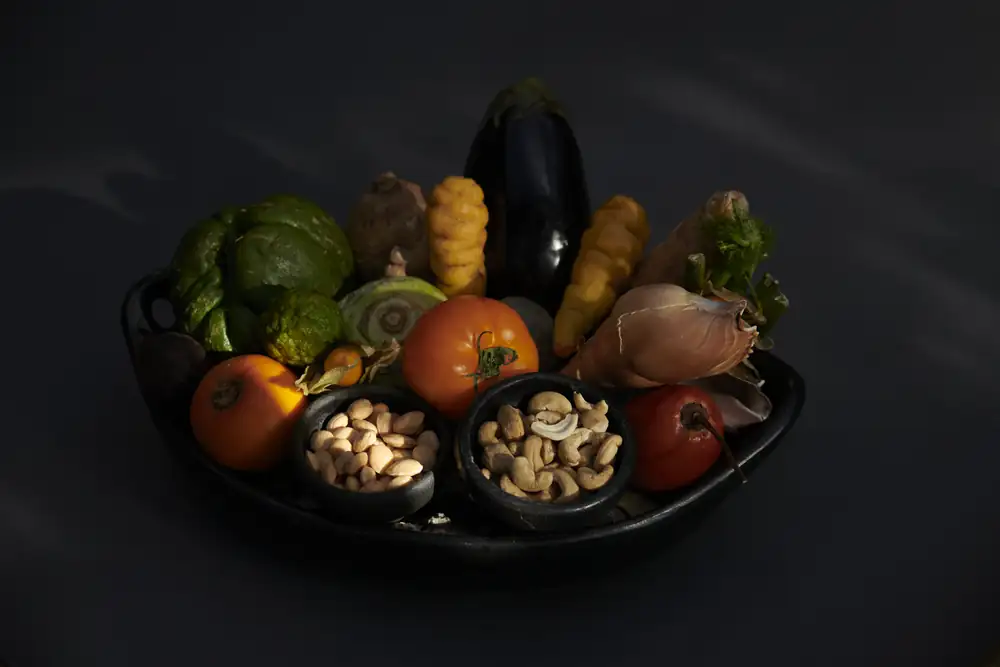
Order the tasting menu if it is your first visit; it is the clearest way to hear the argument. On my night it moved from a cold amberjack in a broth of lulo, bright and almost floral, to a roasted arracacha with a fermented chilli sauce that I would happily eat every day of my life, to a smoked duck with plantain and a little jam of corozo, to a whole Caribbean crab folded into rice that had been cooked in its shell. Every dish tasted of a specific place, and the staff can tell you which.
The bar downstairs is a destination in its own right and worth an hour before you go up. The cocktails lean on aguardiente and on Colombian rum and gin, with house bitters and syrups made from the same fruit that ends up in the desserts; ask for whatever is built around lulo or corozo and you will understand the kitchen before you have eaten. The music is good, the room is lively, and the staff will send you upstairs when your table is ready without your having to look at a clock.
If you are travelling with someone who is nervous about unfamiliar food, this is the place to bring them. The kitchen is adventurous but never hostile: everything is cooked with warmth, seasoned generously, and explained without a lecture. The dishes arrive looking like food rather than like sculpture, and they taste, above all, delicious, which is a word that too many ambitious restaurants have forgotten.
Do not skip the cheese course, which comes with a honey from stingless bees that tastes of orange blossom and something wilder. Do not skip the coffee, which is single-farm and poured like a wine. If there is a dessert with guanábana, take it: the sorbet is sharp and creamy at once and the toasted panela crumble underneath is the kind of detail that separates a good kitchen from this one.
Practicalities: reservations through the restaurant's site, and book ahead, especially for the weekend; the city's food-minded travellers have made this one of the hardest tables in South America. Dinner is the main event but lunch is quieter and the light through the front windows is beautiful. Prices are high for Bogotá and gentle by the standards of restaurants this good anywhere else. Dress is relaxed. Allow two and a half hours, more if you start downstairs, which you should.
What you will take away: a list of ingredients you had never heard of and now want to find, a new respect for a root vegetable, and the feeling that you have been fed by people who love where they live. In a city that outsiders still arrive in with the wrong idea, El Chato is the most persuasive correction I know.