The restaurant as the third place in the community
Some restaurants become neighborhood landmarks, while others remain simply places to eat. The difference lies in becoming a space where people feel a sense of belonging.
Why do some places become neighborhood landmarks? There's a question more important than any menu strategy: Do people feel a need for your place? It's not that they like eating there. They miss it when it's closed. They call it "my place." When this happens, you stop being a restaurant and become a third place.
The concept of a "third place" comes from sociology. The first place is home, the second is work, and the third place is that informal space where people gather for the sheer pleasure of being together: the neighborhood bar, the pub, the corner restaurant. In today's world, where people work from home and socialize via screens, loneliness is a widespread problem. Restaurants have their greatest opportunity in decades: to become the missing human space. Not just a food dispenser, but a place of belonging.
A place that has become third best has structurally better figures. Frequency changes everything. The customer who considers you "their place" returns every week, sometimes even daily. Frequency matters more than the bill amount. The acquisition cost plummets because you didn't win customers with advertising: they bring you others for free. Resilience to the crisis is greater: regular customers won't abandon you for the competition. Price becomes secondary: nobody haggles over the price in a place they like.
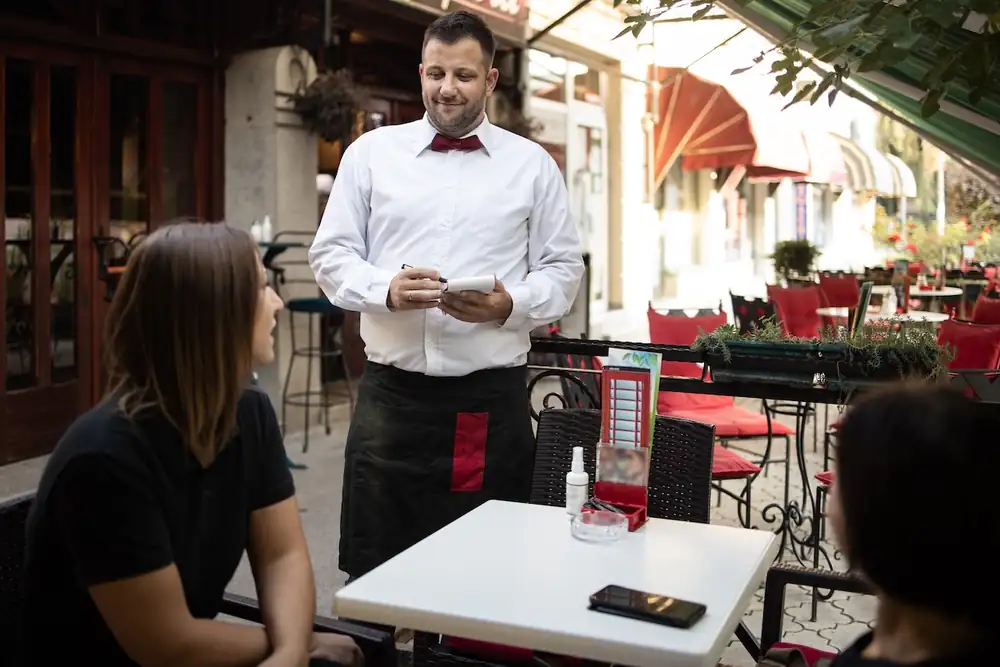
A sense of belonging is built on four pillars. First, recognition: the waiter who remembers your name, your table, your usual order. It's the simplest and most powerful human experience: being seen. Second, rituals: the regulars' table on Saturdays, the Friday aperitif that's always the same. Third, identity: a place with character and personality that people grow fond of. Fourth, neighborhood roots: getting to know neighbors, collaborating with other businesses, welcoming the local team.
Tactical loyalty programs manifest as points cards and promotions. They work in the short term but are fragile. Strategic loyalty connects with the person, not the transaction, and extends beyond the meal. When customers form friendships within the restaurant, they never leave. Time isn't a cost; it's capital that accumulates. A new place can't compete with ten years of memories.
Becoming a third local isn't a campaign, it's a direction. The ultimate paradox is beautiful: the place that focuses solely on selling more, in the long run, sells less than the one that aspires to be loved. The food attracts you initially. It's everything else that makes people return year after year.