How do flaming cocktails burn and what effect does it have on the flavor?
Flaming cocktails burn because their alcoholic vapors ignite, and the ignition can impart a hint of vanilla or smoke.
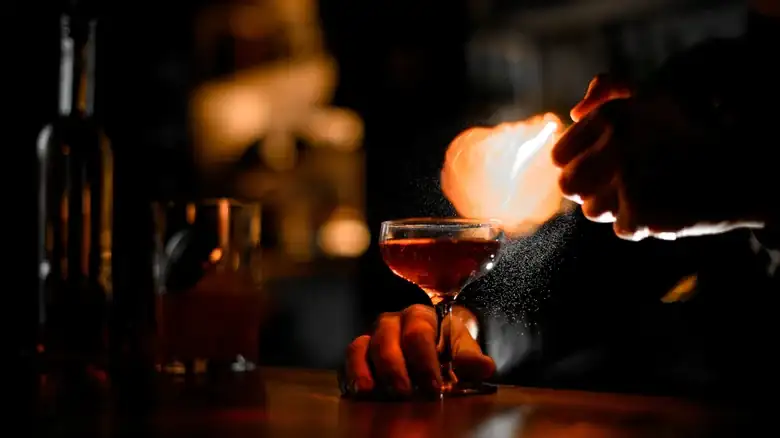
Presentation is key in mixology. Glasses, garnishes, and ice shapes take center stage, and flaming cocktails add a striking spectacle. The effect is simple: the alcoholic vapors of the drink ignite, and the glass appears to be on fire.
Cocktails are popular worldwide, from Italian favorites to those of celebrity chefs, and some countries even have their own signature cocktails. In a flaming cocktail, the alcohol releases vapors that rise from the drink and can ignite. Higher-proof alcohol evaporates faster, so it releases more vapor, which influences the size of the flames.
For bartenders, the challenge lies in ensuring the highest alcohol content remains at the top. If the cocktail isn't prepared correctly, the flames won't be as effective or impressive. Besides the spectacle, the ignition can impart a vanilla or smoky flavor and, in some cases, caramelize the sugars present in the drink.
The longer the flame burns, the more alcohol evaporates and the less drink remains in the glass. As for the flavor, the flame warms the cocktail slightly, but it doesn't make it hot, and the effect is usually quite subtle.