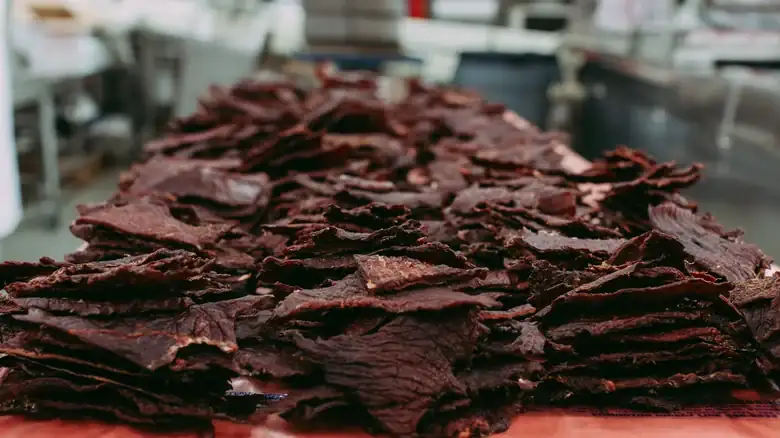
11 Mistakes Everyone Makes When Preparing Beef Jerky
Jerky-making today is as much an art as it is a science. As Marye Audet, founder of Restless Chipotle , puts it: "Making beef jerky at home isn't just a recipe; it's a practice in patience and detail, and trust me, it's totally worth it." Whether drying meat under the sun centuries ago or using modern dehydrators today, the core principle remains the same: preserving meat while intensifying its fl
“Over time, cultures around the world adopted similar techniques, each putting their own spin on the process. Jerky-making today is as much an art as it is a science. As Marye Audet, founder of Restless Chipotle, puts it:”
What makes homemade beef jerky special is the opportunity to control every detail. It's not just about preserving meat anymore — it's about experimenting with flavors and creating something that's uniquely yours. However, the process is rife with potential missteps, from improper slicing to selecting the wrong cut of meat or mishandling the drying process. By understanding these common mistakes and how to avoid them, you can ensure your jerky-making journey is a success. After all, the difference between a chewy, flavorful treat and a tough, disappointing bite often comes down to mastering the details.
Choosing the wrong meat
It's easy to think of jerky meat the same way you would a steak: the more marbling, the better. However, Jess Pryles, founder of Hardcore Carnivore, warns against this approach. "For steak, we are taught to look for marbling, but in jerky, lean cuts work best. The fat is the part that is more susceptible to rancidity." This isn't just about shelf life — fat also makes it harder to achieve the proper jerky texture. It doesn't dry out evenly, leaving the finished product greasy and riddled with unpleasantly soft or rubbery spots. So, what should you look for? The best options are lean cuts like top round, eye of round, or sirloin tip. These cuts are naturally low in fat as well as firmer and easier to slice uniformly. Leaner cuts also absorb marinades more effectively, as they absorb into the meat itself rather than the fat. All in all, selecting the right c
Skipping the trimming
Even if you've selected a lean cut of meat, skipping the trimming step is an unfortunate mistake when making beef jerky. As Marye Audet recalls, "I thought a little fat wouldn't hurt. Well, it did! The jerky ended up with an off taste after a week, and it was so disappointing." Fat impacts beef jerky in a number of ways, and failing to trim it properly can undermine all your hard work. First and foremost, trimming isn't just about appearances. It's essential for even drying. Fat doesn't dehydrate at the same rate as lean meat, leaving pockets of moisture that can cause uneven textures. These fatty areas can also prevent your jerky from developing the chewy, dry consistency that defines this classic snack. Worse, leftover fat can turn rancid during storage, leading to unpleasant flavors or even spoilage. Taking a few extra minutes to properly trim your mea
Slicing the meat incorrectly
Correct slicing is one of the most overlooked yet essential steps in making beef jerky. This is because consistency is important when it comes to creating jerky with the right texture and even drying. "If you're hacking up your meat like in a horror movie, you'll have some chewy parts and others crunchy, like beef chips," notes Julian Plateado, chef and founder of. Not only does this lead to a disappointing eating experience, but it can also leave certain parts unsafe to consume. The thickness of your slices also plays a significant role in drying times. Pieces that are too thick will take longer to dry and may not fully cure, while can over-dry and become brittle. The goal is to create uniform pieces, which will dehydrate evenly and produce a jerky that's thoroughly cooked yet also tender. Jess Pryles offers additional valuable advice when it comes to slicing. "If
Not marinating them for long enough
Marinating is where your jerky's flavor journey truly begins. It's an important step that sets the foundation for the final taste of your jerky, but rushing through it can leave you with a bland, lackluster snack. "Jerky needs time to soak up all that flavor. A quick dip just won't do it. Think of it as a spa day for your meat," says Julian Plateado, and he's absolutely right. The meat needs time to absorb the marinade, allowing the spices and seasonings to penetrate deeply. For the best results, most jerky experts recommend marinating for 12 to 24 hours. However, there is such a thing as marinating for too long. While it might seem like the longer, the better, this isn't always the case. "Marinate too long, and the meat becomes too salty or tough," warns Jessica Randhawa, owner and head chef at The Forked Spoon. "I've found that 24 hours is the sweet spot f
Using too much marinade
While marinating is crucial for flavor, using too much marinade can backfire. When it comes to jerky, balance is key. "Jerky is concentrated in flavor because as it dehydrates, the flavor becomes more intense," says Jess Pryles. This means that excessive marinade can actually overwhelm the meat, leading to jerky that's overly salty or bitter. The goal is to coat the meat evenly without drowning it, allowing the flavors to soak in without becoming overpowering. Another wise marination tip from Pryles is "to cut your meat before marination because it will hasten the process." This way, you increase the surface area, allowing the marinade to penetrate more deeply and evenly, which allows for better, more efficient flavor absorption in less time. One more key point to remember is to pat the marinade dry before dehydrating. "Too much marinade on the surface leaves yo
Overseasoning or underseasoning
When you're seasoning your beef jerky, you really have to find the right balance. "Seasoning is a delicate art in jerky making," says Jessica Randhawa. "Overseasoning can overpower the natural flavors of the meat, while underseasoning will result in a bland product." For many, it takes several trials to hit the perfect ratio. The key is understanding that spices and herbs should complement, not overwhelm, the meat's natural taste. A light hand and gradual adjustments are the best way to ensure you're not overdoing it — or underdoing it — with your seasoning. If you're unsure of where to start, Jess Pryles offers some expert seasoning guidance: "I love using crushed coriander seed, as they do in South African biltong. It's brilliant with beef." Coriander's slightly citrusy, warm flavor adds a wonderful depth without stealing the spotlight. In fact, experiment
Cooking the meat instead of drying it
One of the main steps in making beef jerky is drying the meat, and not just any method will do. While it might seem convenient to pop the meat in the oven, it's far more likely you'll get the results you're looking for in a dehydrator. Using high temperatures, like those in an oven, can cause the exterior to dry too quickly, leaving the inside moist and undercooked, according to Marye Audet. "I love my dehydrator for this because it maintains a steady, low temperature," she says. Dehydrators are designed for exactly this purpose, ensuring even drying for that perfect chewy texture without overcooking the outside. Julian Plateado also emphasizes the risk of using too much heat, pointing out that jerky cooked at high temperatures might end up tasting more like "a beef roast" than the delicious snack you're hoping for. If you must use an oven, he advises using t
Not drying the meat for long enough
Not drying your beef jerky long enough will often lead to unwanted results. While it may be tempting to pull it out of the dehydrator as soon as it looks done, it's important to first test the jerky for proper texture toward the end of the drying process. Jess Pryles mentions that "it can be tricky to time the perfect doneness so the jerky is safely cured without being too dry or crumbly." The jerky should be firm and slightly pliable, with no visible moisture. If it breaks or cracks when bent, it's overdone, but if it's still soft or sticky, it needs more time to dry. The key to success here is both temperature and time. For precise control, Pryles recommends using a dehydrator with an actual temperature gauge rather than "high" and "low" settings. When you know the exact temperature, you can better gauge how long the jerky needs to dry and adjust the pr
Rushing to eat it before it's had ample time to dry
The hardest part of making jerky might not be the slicing, marinating, or drying — it's waiting to eat it your delicious final product. However, rushing the final steps can undermine all your effort. Julian Plateado knows the struggle: "After drying, let it rest to settle and meld. Yes, it's hard, but jerky rewards the patient." This resting period serves an essential purpose. It allows the flavors to develop fully and the texture to stabilize, creating that signature chew. Think of it as letting the jerky "finish cooking" outside the heat. Like resting a steak before slicing, giving jerky this final pause ensures a product that not only tastes great but has the perfect texture to match. So, how long should you let your jerky rest before eating it? Some enthusiasts even wait as long as a day before digging in, though 30 minutes to an hour is probably enough.
Crowding the dehydrator
Overcrowding beef jerky in a dehydrator creates chaos in the drying process, which can easily lead to uneven textures and inconsistent results. Expert Julian Plateado dubbed this frustrating phenomenon "jerky roulette," where you're left gambling between pieces that end up "too dry or soft." The culprit is poor airflow. When meat strips are packed too closely together, they disrupt the dehydrator's air circulation. Moisture becomes trapped in certain areas while other sections overdry. This tends to result in a batch that's either tough as leather or worryingly under-dried — neither outcome being what any jerky maker desires. Commercial producers avoid this issue by using industrial dehydrators with powerful fans and rotating racks, but home jerky makers need to be more strategic. The solution is simply proper spacing. Ideally, you should maintain roughly half an
Storing your jerky improperly
Even perfectly made jerky can spoil quickly without proper storage. "Jerky must be stored airtight. Vacuum sealing is the way to go unless you want mold jerky (spoiler alert: no one does)," shares Julian Plateado. Store-bought jerky often stays shelf-stable thanks to preservatives, but homemade jerky plays by different rules, relying only on salt, smoke, and dehydration to preserve it. "I learned the hard way that jerky doesn't last forever," admits Marye Audet, who once found a forgotten batch covered in mold in the back of her pantry. Her rule of thumb now is that if her jerky won't be eaten within a week, she sticks it in the fridge. Jess Pryles' storage tip is to add silica gel packets to her jerky containers. These small packets, similar to what you find in shoe boxes, actively absorb moisture that could spoil your batch. She adds, "If you are plannin