The smell test before freezing coffee beans
To start the day with a good cup of coffee, it's best to keep the beans fresh, because the way they are stored changes the taste of the drink.
“If your freezer smells like that rotisserie chicken you froze last week, then that smell will make its way through that barrier and into your coffee,”
Coffee beans lose freshness faster than you might think. Whole beans typically stay fresh for about a week after opening, while ground coffee, which degrades much more quickly, only lasts a few days. Unopened bags, whether whole bean or ground, can last for several months.
Light, humidity, and other conditions accelerate deterioration. Coffee beans don't necessarily expire, but they can lose flavor and aroma over time, and if stored improperly, such as in the refrigerator or freezer, they can even develop undesirable flavors. Although coffee can technically be frozen, the risk of moisture damage is usually not worth it.
Because coffee beans are porous, they absorb moisture and odors from their surroundings. That's why many experts advise against storing them in the refrigerator, a humid environment. Freezing is a more open debate: proper storage can extend the life of coffee, but poor storage causes the same problem. "If your freezer smells like that roast chicken you froze last week, that smell will seep through the barrier and reach your coffee," says Dakota Graff, director of Onyx Coffee Lab, according to Epicurious.
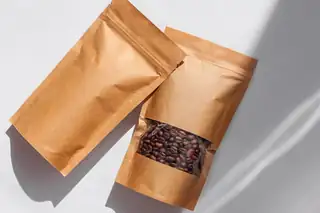
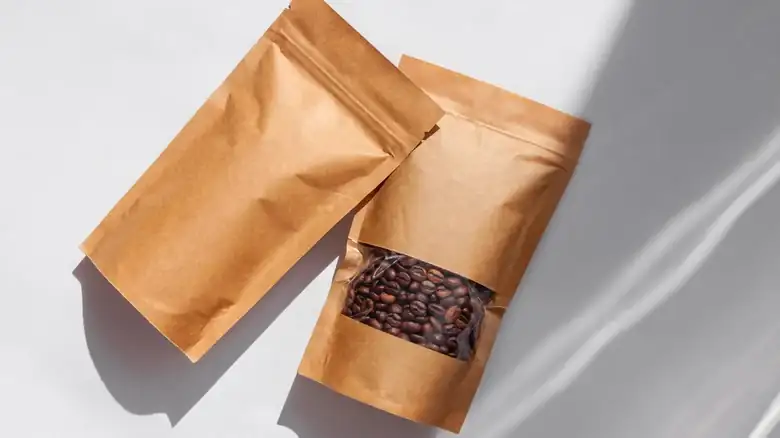
If you freeze coffee beans, it's best to transfer them to an airtight container, as open paper bags rarely provide adequate protection. Aaron MacDougall, founder of Broadsheet Coffee Roasters, says, according to Epicurious: "Divide a large bag into two-week portions, vacuum-seal each portion using a vacuum sealer or similar device, and freeze." MacDougall recommends letting each portion reach room temperature before using it, not refreezing it, and smelling it before brewing to avoid a roasted chicken flavor.
If the coffee comes in a bag with a valve, that's usually the best option. Erika Vonie, director of coffee at Trade Coffee, says, according to Food52, "The best way to store coffee is in the original bag." If it doesn't have a valve, or if you prefer another container, an airtight container in a cool, dark, and dry place is best. If you have leftover stale coffee, you can use it to make cold brew coffee, or you can add milk and sugar.