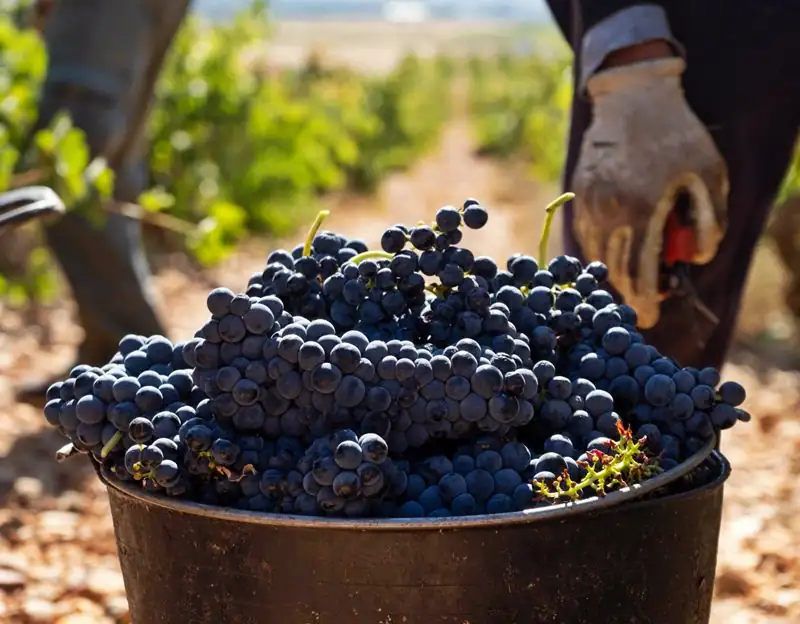
Wine production in Crimea falls by 25% due to fuel shortage
The Ukrainian attacks exacerbate a collapse far greater than that of Russia as a whole due to transport problems.
Friday, September 18, 2026
Wine production in Crimea fell by 25% in the first eight months of 2026 due to fuel shortages and transportation problems caused by increased Ukrainian attacks on the peninsula, the Russian newspaper Kommersant reported on Friday, September 18, citing official data.
Figures from Russia's Federal Service for Alcohol Market Regulation show that still wine production in Crimea fell by 24.7% year-on-year between January and August, while sparkling wine production dropped by 38%. This decline surpasses the overall decrease recorded in Russia during the same period: approximately 15% less for still wine and 14.5% less for sparkling wine.
The decline has particular significance in the Russian market. Crimea, annexed by Moscow from Ukraine in 2014, supplies around 20% of all still wine and 10% of sparkling wine sold in Russia. With a market share of that size, a reduction in production on the peninsula could put pressure on the available supply and increase logistical costs for wineries, distributors, and retailers.
Industry experts quoted by Kommersant attribute the decline to the intensification of Ukrainian attacks this summer. These actions, they say, have caused a severe fuel shortage and disrupted shipments between Crimea and mainland Russia, two factors that directly impact the operation of fuel depots.
Transporting essential production materials has become more complicated. These include glass bottles, corks, and packaging. Experts point out that moving these supplies is now more expensive and riskier, slowing down operations and increasing the cost of each stage of the process, from bottling to shipping the finished product.
Adding to this pressure are the rotating power outages caused by attacks on energy infrastructure. Winemaking depends on a technical chain that requires a stable electricity supply, both for preserving the grapes and must, and for refrigeration, bottling, and storage. When power fails repeatedly, wineries operate with less margin for error and experience more interruptions.
Tourism has also suffered. Kommersant reports that fewer visitors have traveled to Crimea this summer due to Ukrainian attacks that have resulted in fatalities. This decrease in tourist arrivals has a clear commercial impact on the wine sector, as a significant portion of sales on the peninsula occur during the holiday season, in shops, restaurants, and winery visits.
Crimea's decline coincides with a broader drop in Russian wine production, albeit much more pronounced on the peninsula. The difference between the 24.7% fall in Crimean still wine and the nearly 15% drop for the country as a whole, as well as the 38% decline in Crimean sparkling wine and the 14.5% drop for Russian sparkling wine, points to a problem linked not only to the market but also to production and transportation conditions in the region.
Despite the decline recorded up to August, producers expect an improvement before the end of 2026. Kommersant notes that wineries are confident in a recovery supported by a grape harvest that, if forecasts are met, would be the best in the last decade.