How non-alcoholic cocktails became so expensive
Every few months, someone on the internet reignites the debate about the price of non-alcoholic cocktails, and all we can do is try to avoid it.
“You need to create texture and balance in a drink that doesn’t lean on an alcoholic component, because a lot of the flavor and viscosity of a drink comes from the alcohol itself,”
There's a widespread belief that non-alcoholic cocktails should cost less than those containing alcohol. It's not hard to see why: over 100 years ago, it was illegal to produce, sell, and transport alcoholic beverages. Back then, it made sense to charge more for a forbidden product that, sip by sip, made those who consumed it feel a little more relaxed, slightly tipsy.
But that idea is not only outdated, it's also unfounded. In craft cocktail bars across the country, making non-alcoholic drinks involves the same costs, overhead, and sometimes even more work.
It's easy to overlook the creativity required to craft non-alcoholic drinks in the intimacy of a craft cocktail bar. These cocktails are rarely just juice with a splash of sparkling water. "We wouldn't serve the non-alcoholic drinks we make to a child; they're designed for a sophisticated palate," says Harrison Ginsberg, former bar director at Overstory and soon-to-be head bartender at Crane Club in New York.
In the case of traditional cocktails made with spirits, the structures and recipes are time-tested. There are endless combinations of alcohol, acid, and sugar for drinks like the Negroni or the Martini. The same cannot be said for their non-alcoholic counterparts, a nascent category that has only recently opened the door to innovation as the market floods with options. “It’s necessary to create texture and balance in a drink that doesn’t rely on alcohol, because so much of the flavor and viscosity comes from the alcohol itself” says Leishla Maldonado, co-owner and beverage director of Loma in Providence.
Let's say you're looking for a non-alcoholic sour cocktail, "which is usually a little easier to pull off," says Vay Su, co-owner of Vandell in Los Angeles, because the acid reliably provides structure to the drink. "But when you create an alcoholic version, it's very difficult to make it taste like alcohol."
Making these elaborate drinks not only requires more time and effort, but the cost of raw materials is also high. Chemically, alcohol is a very effective and relatively inexpensive flavor extractor; water simply cannot do the same. Consider the floral and woody notes of gin or the smoky and vanilla nuances of whiskey: these aromatic compounds dissolve better in alcohol. Without a powerful flavor carrier like this, it's difficult to prepare an alcohol-free cocktail from scratch.
"When you extract flavor with water and don't have alcohol, you have to use double or triple the amount of raw ingredients to achieve that flavor," says beverage consultant Christopher Longoria. "That alone is expensive."
"We have a non-alcoholic milk punch that takes a long time," says Su from Vandell. "We cook the spices sous vide, clarify it, and top it with pandan foam. That takes us two days, which is much more work and costly than, say, making a Negroni."
Overstory's hojicha tonic is another example of a cocktail that uses expensive, high-quality ingredients. After a cold infusion, the tea is transformed into a liqueur, a process that takes two days. "That roasted green tea comes from a single plantation in Japan, is processed there, and then shipped to Brooklyn to a specialty tea supplier," explains Ginsberg. The other ingredients, a non-alcoholic vermouth and a non-alcoholic spirit alternative, cost the same as their alcoholic counterparts. In this case, the margins are even smaller and the profits lower than with Overstory's alcoholic beverages.
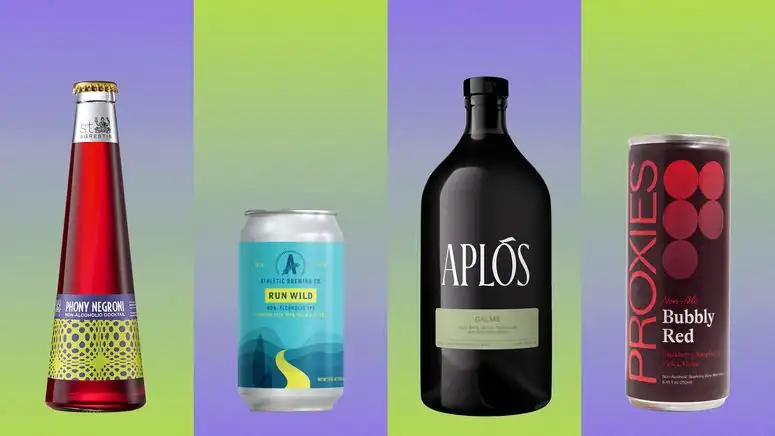
On average, many non-alcoholic spirits cost about the same as their alcoholic counterparts. For the consumer, a 700ml bottle of Seedlip costs over $30, as does a 500ml bottle of Optimist Botanicals. A 700ml bottle of The Pathfinder Spirit costs $40. These non-alcoholic beverages are priced similarly to a bottle of mid-range whiskey or gin.
But, on the other hand, its use does not necessarily indicate that it is a quality non-alcoholic cocktail.
These products aren't meant to directly replace alcoholic beverages in a cocktail recipe; good non-alcoholic drinks require more thought. "If every cocktail [on a menu] features a non-alcoholic spirit or a substitute for the alcoholic spirit, it's probably a bad sign, because it means they're trying to imitate something that's not going to work," says Austin Hennelly of Kato in Los Angeles.
In reality, non-alcoholic spirits taste very different and are generally milder than alcoholic ones. The ingredients that acidify or sweeten the drink should also be reduced to balance the mix; many bartenders add spices or other ingredients that bring nuance and complexity to the drink.
Others, however, opt for non-alcoholic beverages that alter mood in different ways. Beyond tea, which provides caffeine, there is a whole other category of non-alcoholic drinks with natural ingredients that produce various mood-altering effects.
"There are functional alcoholic beverages, adaptogens, nootropics, and energizers. There are also relaxing drinks with mushrooms, L-theanine, and ashwagandha. Some even contain CBD," explains Longoria. These adaptogens cost as much as, or even more than, alcoholic beverages, such as Three Spirit, which incorporates ingredients like guayusa (stimulant effects), damiana (aphrodisiac effects), and valerian (anti-stress effects). Others come ready-to-drink, such as Curious Elixirs, which simulates classic cocktails in a can; Recess, which offers adaptogenic sparkling waters and artisanal non-alcoholic cocktails; and Daytrip, which may contain CBD.
Specialty cafes offering drinks made with a particular ingredient, the root of the Piper methysticum plant, native to the South Pacific, have also proliferated in the United States. Kava bars provide an alcohol-free social space that promotes the relaxing and anti-anxiety effects of this ingredient. The price of these drinks in such cafes is similar to that of a cup of coffee, but kava-infused liqueurs reach prices comparable to those of a high-end whiskey or gin, exceeding $50.
Most restaurants and bars aren't trying to deceive their customers with non-alcoholic options on their menus. "In nine out of ten cases, a bar or restaurant isn't trying to rip anyone off; it's simply trying to earn enough to pay its staff, its bills, rent, insurance, and keep operating," says Hennelly.
Because, regardless of the drinks you order and their price, rent, payroll, utilities, licenses, and maintenance are constant expenses for the business. “You have to keep a few things in mind: bars and restaurants are meeting places. They’re not just places to drink” says Maldonado. “They’re places to share with other people.” She doesn’t drink alcohol herself and has organized her bar’s menu in ascending order of alcohol content, placing non-alcoholic drinks first.
Until the public changes its perception of what it necessarily means to drink in the company of others, bars will continue to struggle with these outdated ideas. The more we understand the true cost of inclusivity, so that cocktail menus can cater to everyone, the more we can advance bar culture.