How to taste wine step by step, from sight to taste
Learning to taste wine requires a simple order: first sight, then aroma, and finally taste.
The most important thing is to trust your own palate, although there are also measurable factors, such as alcohol, sugar, tannins, acidity, color, and clarity. To begin, pour a small amount of wine into a clean glass, swirl it, and observe the color and clarity before smelling it.
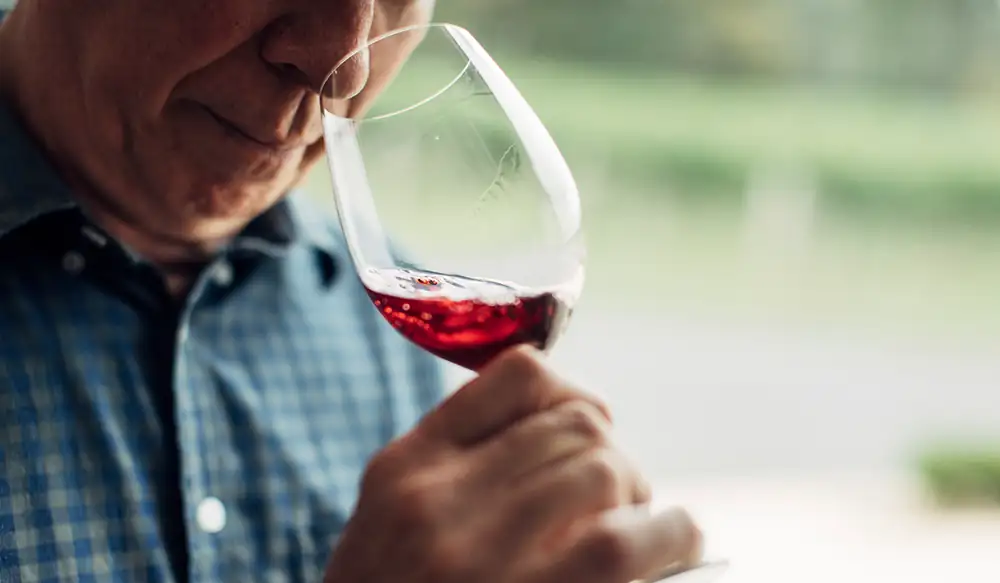
Swirling the wine increases the surface area in contact with the aromas and promotes aeration, causing its volatile aromatic compounds to vaporize and become easier to detect. This is why professional tasters swirl the glass and immerse their noses in the wine. When smelling, it's helpful to note the condition (clear or flawed), the intensity (from no aroma to very pronounced), and the freshness (from youthful to past its prime).
Then take a sip and rinse it around your mouth, along your gums and under your tongue, which allows you to better perceive sensations, flavors, and aromas. It's worth noting the acidity, sweetness, tannins, alcohol, body, intensity, length, and mouthfeel.
Describing flavors can be overwhelming at first. The flavor wheel helps because it groups specific terms, like lime, lemon, and yuzu, into general categories, like citrus. It's a good idea to save a screenshot of the wheel so you can refer to it every time you drink wine.
Serving temperature also affects perception. Below 5 degrees Celsius, the wine tastes too cold and accentuates bitterness and acidity. Light white wines are served between 6 and 8 degrees Celsius, Chardonnay between 10 and 12, and Pinot Noir and Burgundy between 14 and 16. Serving red wine at room temperature is a myth.
For long-term storage, the ideal temperature is between 11 and 14 degrees Celsius, and it should remain constant. Without a cellar, a dark, cool place with minimal vibrations is best; under the stairs, for example, is not ideal.